REVIEW · OSAKA
Osaka Street Food Tour: Private & Personalized
Book on Viator →Operated by City Unscripted · Bookable on Viator
Street food in Osaka sounds easy, until you’re staring at menus. This private tour turns the chaos into a 3-hour plan, with tastings and culture stops in Namba. I especially like the personalized feel of the route, and the way the guide steers you toward what to try next. One possible drawback: if you expect only classic roadside stalls the whole time, you may want to verify what your tastings will look like for your specific night.
You also get a practical mix of places: big-name lanes like Dotonbori, quieter side alleys, and a market that feeds both your eyes and your appetite. My second favorite part is the pacing: 6–8 tastings plus 2 drinks without turning it into a food marathon. Still, this is a walking experience, so comfortable shoes matter, and your stop list can shift since it’s tailored to your group.
In This Review
- Namba street food tour essentials
- Why this Osaka street food tour works (even when it’s your first night)
- The 3-hour flow: how the walk stays fun instead of exhausting
- Meeting at Starbucks Tsutaya Ebisubashi: easy start, clear handoff
- Jikko Japanese Knife Shop Namba Parks: a food tour detour you’ll actually enjoy
- Dotonbori and Namba: the “kuidaore” zone where you’ll want to snack immediately
- Hozenji Yokocho: the narrow stone alley that slows you down
- Kuromon Market: the ingredient-and-snack connection
- Personalization in real life: when guides match your appetite
- Value check: what you’re really paying for at $186.44 per person
- Logistics that matter on the ground: walking, drinks, and a flexible route
- Who should book this Osaka street food tour?
- Should you book this Osaka street food tour?
- FAQ
- How long is the Osaka Street Food Tour: Private & Personalized?
- How much does the tour cost?
- What’s included in the tour?
- How many places do you eat at?
- Where do you meet, and where does the tour end?
- Is transportation included?
- Can I cancel for a full refund?
Namba street food tour essentials
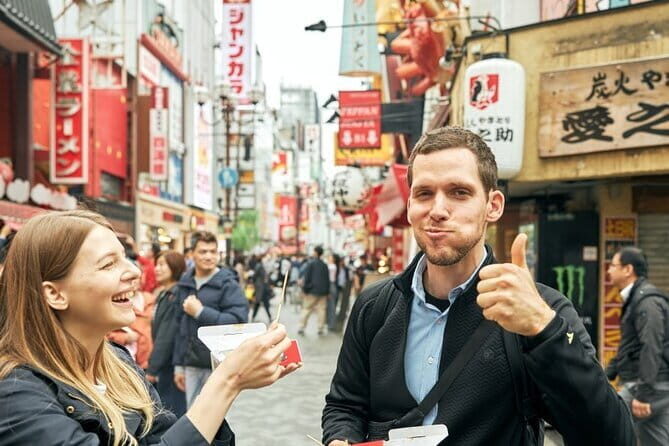
- Private and personalized so your guide can steer choices to your tastes and dietary needs
- 6–8 tastings and 2 drinks built into the tour, usually across 2–3 eating stops
- Namba + Dotonbori focus with a route that mixes big energy and small alley vibes
- Kuromon Market time to see Osaka’s ingredient world and some ready-to-eat snacks
- Short cultural detour at a knife shop, because Japanese food culture is also about tools
Why this Osaka street food tour works (even when it’s your first night)
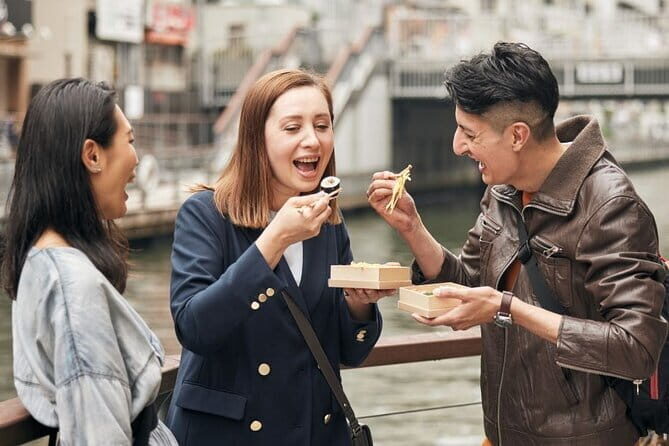
Osaka has a talent for making you hungry before you even find your first restaurant. Namba and Dotonbori are loud, bright, and stuffed with signs. On your first visit, it’s easy to waste time circling the same areas, ordering things you can already get anywhere else, or freezing when you can’t read the menu.
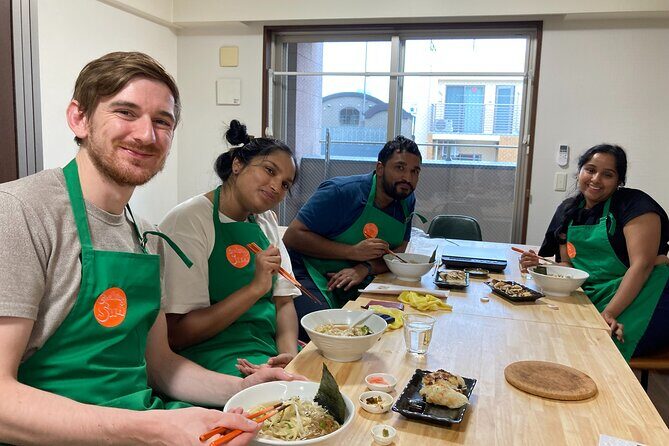
What makes this tour different is the simple structure: you’re not just wandering. You’re walking with an English-speaking guide who’s there to help you pick, order (when needed), and understand what you’re eating. The tour’s promise is around 6–8 different tastings and 2 drinks per person, with a guide adding stories about Japanese food culture as you go. That turns your time from random snacks into a sequence with logic.
The other thing I appreciate is the private format. Small-group tours can still feel scripted. Here, you’re on your guide’s radar. If you want lighter bites, heartier food, or a more flexible pace, personalization is part of the deal.
One caveat I’d flag upfront: Osaka street food can mean many things. Some stops might lean more toward a casual counter meal or market bites than pure standing-stall snacks. If your dream is only true street vendors, you’ll want to ask your guide what your included tastings will be like.
You can also read our reviews of more food & drink experiences in Osaka

The 3-hour flow: how the walk stays fun instead of exhausting
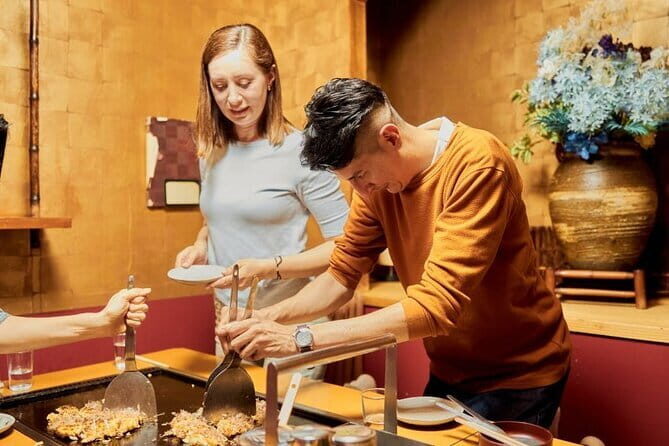
This is listed as about 3 hours, mostly on foot. That sounds short, but Japan footwork adds up fast—especially if you’re trying to “just look” at everything along the way. The good news is the tour is designed to keep you moving with a reason. You’re not wandering aimlessly; you’re moving between a food zone, a side alley, and a market.
In past experiences tied to this tour, guides have emphasized comfort and appetite. One tip that shows up in guide-led outings is plain: come hungry and wear shoes you can walk in for hours. Also, because you may visit different places than the sample route when the tour is personalized, I’d go in ready for a little flexibility rather than expecting an exact checklist.
And yes, you’re tied to a meeting point and a finish back there. Starting at one clear spot helps a lot in Namba, where street-level navigation can be a sport.
Meeting at Starbucks Tsutaya Ebisubashi: easy start, clear handoff
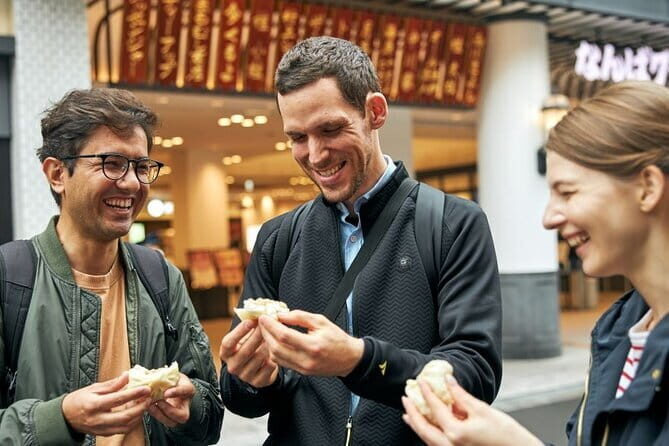
You begin at Starbucks Coffee – Tsutaya Ebisubashi, located at 1-chōme-8-19 Dōtonbori, Chuo Ward, Osaka (542-0071). That matters more than it sounds. When you’re meeting a guide in Japan, a recognizable landmark reduces that awkward “Are you here for me?” moment.
From that start, you’ll head into the Namba/Dotonbori food area. The tour also includes hotel meet-up in central locations, so if you’re staying nearby, you may not need to battle getting to the meeting point on your own. Either way, the structure is designed to get you fed without spending your energy on logistics.
Jikko Japanese Knife Shop Namba Parks: a food tour detour you’ll actually enjoy
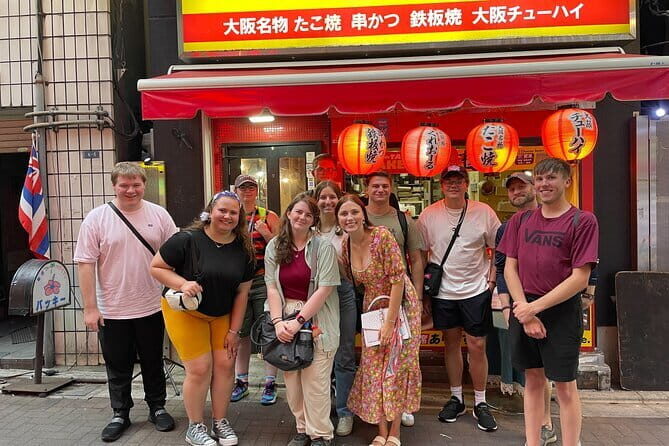
Yes, this part is not food-first. But it makes sense in Japan, where how you cut matters as much as what you eat.
At Jikko Japanese Knife Shop Namba Parks, you get a short stop (about 15 minutes) at a shop that’s been crafting knives for more than 120 years. The idea here is simple: Japanese cuisine is precision. A guide can tie the knife culture to everyday cooking habits—why certain cuts show up so often in Japanese meals, and how tools shape technique.
Is this for everyone? If you’re allergic to anything that isn’t edible, you might feel impatient. But if you enjoy food details, it’s a smart way to understand why Japanese meals have that clean, intentional feel. It also gives your brain a break from the neon and signs for a minute before the snack lineup begins.
Dotonbori and Namba: the “kuidaore” zone where you’ll want to snack immediately
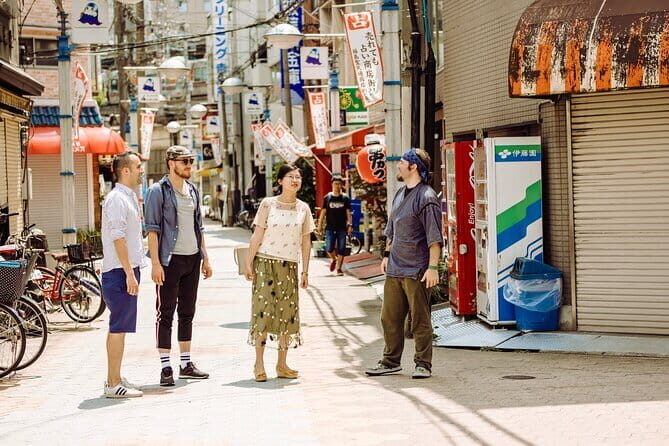
Once you’re in Dotonbori, the tour shifts to the Osaka energy most people picture. This is where the visuals are the loudest: big signs, busy streets, and that famous hunger-in-the-air feeling.
You spend about 1 hour here, and the guide’s job is to make sure you see the food culture instead of just staring at it. A helpful way to think about this part: Dotonbori is the stage, and your guide helps you pick the lines from the script—what to taste, what to skip, and what each item means in the local food story.
The cultural concept you’ll hear tied to Osaka is kuidaore city, a phrase that roughly means ruining yourself by indulging in food. It’s playful, but it’s also honest. Osaka is one of the cities where food feels like a central hobby, not an afterthought.
A drawback to watch for: if you’re short on time, don’t assume you’ll get everything iconic by yourself later. This tour helps you focus, but you still may leave with a list of places you’ll want to return to.
You can also read our reviews of more tours and experiences in Osaka

Hozenji Yokocho: the narrow stone alley that slows you down
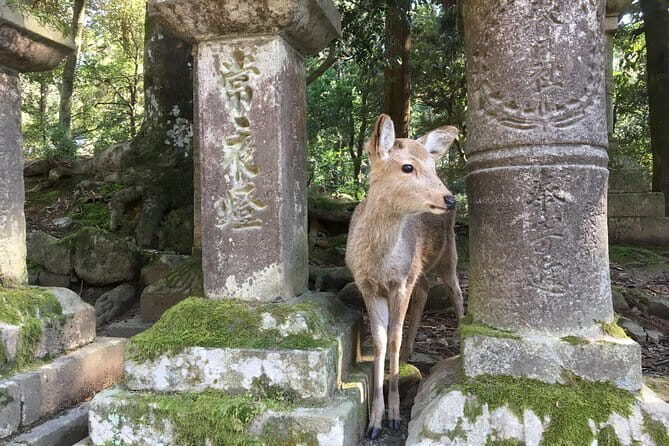
Next comes Hozenji Yokocho, a narrow, stone-paved alley known for traditional stalls, cafes, and taverns. You have about 30 minutes here, plus a smaller extra detail: a tiny alley section with little museum-like displays on the walls.
This stop is valuable for mood. Dotonbori can be sensory overload. Hozenji Yokocho is the opposite: it’s easier to talk, easier to notice the food rhythm, and easier to settle into that pre-dinner Osaka vibe.
It’s also where a good guide earns their keep. Street alleys can feel identical if you’re just scanning storefronts. The guide can help you understand what’s typical here, what’s worth your attention, and how the alley fits into the wider Namba food scene.
One practical tip: if you’re traveling with a group and want different tastes, this is one of those areas where the tour’s personalization helps. You can get your group on the same page without turning it into a compromise dinner.
Kuromon Market: the ingredient-and-snack connection
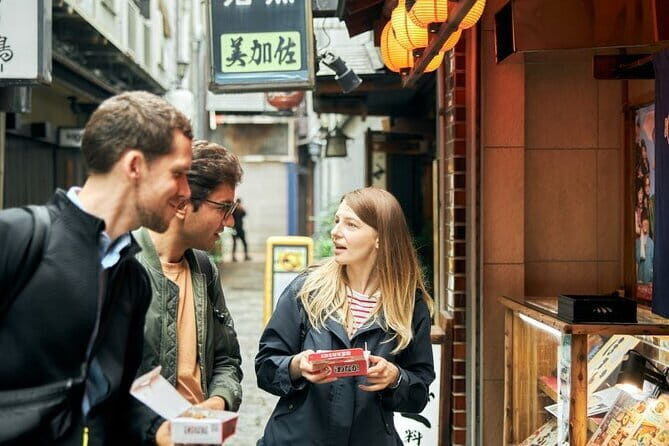
Then you hit Kuromon Market, open from 9:00 to 18:00, with around 200 shops. You’re there for about 20 minutes, which is short, but it’s enough to understand what makes Kuromon special.
The market isn’t just about tourist snacks. It’s also a shopping environment for items used in Japanese cooking, and you’ll see sellers offering cooked foods too. In the market, you might come across examples like grilled eel, teppanyaki beef, fresh oysters, and ramen.
Why this stop matters on a street food tour: it bridges “snack” and “ingredient.” In many cities, you only choose between restaurant or street food. Here, you get both: you can taste, and you can also see how Japan thinks about sourcing and preparation.
A balanced warning: because your time is limited, don’t expect a full shopping sweep. This is a taste-and-look moment. If you want to browse longer, plan a return later with fresh time.
Personalization in real life: when guides match your appetite
This is where private tours can shine—or feel wasted. The difference comes down to the guide.
In the best versions of this experience, guides have contacted groups in advance and asked what they wanted to try. For example, Kanna was praised for reaching out the day before to plan the tour around preferences. Maria was highlighted for customizing based on what people said they wanted, with food selections that worked out well. Mayura stood out for taking care of a vegetarian guest with a nut allergy, while still keeping the rest of the group eating well.
Even when guides focus on the same general route, these examples point to the real value of personalization: you don’t just get a list of famous foods. You get choices that fit your group.
Still, the tour isn’t immune to human variability. One frustrating pattern that shows up in some accounts is confusion about how many items are actually included, or a longer wait at a stop than expected. Another rare but serious complaint involved a guide arriving sick. I can’t control that. But you can control how you show up: if timing or inclusions matter to you, ask direct questions ahead of time and bring a calm attitude on the day.
Value check: what you’re really paying for at $186.44 per person
At $186.44 per person for about 3 hours, this isn’t a cheap night of snacks. And street food in Osaka can be inexpensive, so it’s fair to ask what you’re buying besides food.
Here’s how I’d frame the value:
- You’re paying for private time with an English-speaking guide, not just food.
- You’re getting a guided sequence of tastings (6–8) that saves you decision stress.
- You’re paying for access and ordering help—the part that’s hard when you can’t read menus and you don’t want to guess.
- You’re also paying for local context: why certain foods show up in these areas and how the alley/market food culture works.
In other words, if you love “show me what to eat” nights, this feels worth it. If you prefer to roam freely and pick foods yourself, you may feel like the cost is high compared to the price of individual dishes.
That’s why I suggest looking at it like a convenience fee plus a cultural guide. For some people, that’s the right trade. For others, it can feel overpriced—especially if the food portion doesn’t match expectations.
Logistics that matter on the ground: walking, drinks, and a flexible route
A few practical things from the tour description and on-the-ground experience make a difference:
Tastings + drinks are included, specifically 6–8 food tastings plus 2 drinks per person. That’s a clear planning anchor. Still, because this is personalized, your exact eating stops can differ from a sample path.
The tour is primarily a walking experience, with public transport possibly used. That means you should treat the day like an active outing. Bring shoes that don’t punish your feet after an hour.
Another practical detail: the meeting and ending point are the same. That’s a comfort in Namba. You won’t end up lost at the edge of a neighborhood you’ve never seen.
Finally, your route may include non-street stops or short cultural stops (like the knife shop). If you’re okay with that trade—snacks plus context—you’ll get more out of the time.
Who should book this Osaka street food tour?
This works best for you if:
- It’s your first time in Osaka and you want help turning the city into a meal plan
- You prefer private pacing over sharing a group calendar
- You like food culture stories, not just eating
- You can handle walking for about 3 hours with frequent stops
It may be less ideal if:
- You only want classic street-stall wandering with no market or counter meals
- You’re on a strict budget and want to pay only for food, not guidance
- You hate waiting around at any stop, even briefly
If you’re traveling as a family or a small group, the personalization angle can also help. One highlight from past experiences is that guides have adapted choices for guests with needs like vegetarian preferences and nut allergies.
Should you book this Osaka street food tour?
If you want a stress-free first night in Namba, I think this is a strong booking—with one smart step: confirm what your included tastings will look like before you go, especially if you’re expecting only the most “street-vendor” style foods. When guides tailor the menu well, the experience feels like having a foodie friend guide you through Osaka’s best eating zones.
If you’re the type who loves to self-navigate, this will likely feel like you’re paying for convenience. But if you want someone else to handle the choices, ordering rhythm, and cultural context, this private tour is a solid way to get your bearings fast and still eat well.
FAQ
How long is the Osaka Street Food Tour: Private & Personalized?
The tour lasts about 3 hours.
How much does the tour cost?
The price is $186.44 per person.
What’s included in the tour?
It includes 6–8 food tastings plus 2 drinks per person, a private walking tour with a local guide, and hotel meet-up in central locations.
How many places do you eat at?
The experience is described as having tastings included at 2–3 eateries.
Where do you meet, and where does the tour end?
The tour starts at Starbucks Coffee – Tsutaya Ebisubashi (1-chōme-8-19 Dōtonbori, Chuo Ward, Osaka) and ends back at the meeting point.
Is transportation included?
No. It’s primarily a walking tour, though public transport may be used.
Can I cancel for a full refund?
Yes. Free cancellation is available up to 24 hours in advance for a full refund.