REVIEW · OSAKA
Traditional Home cooking Experience in Osaka, Japan
Book on Viator →Operated by Cook, Taste and Enjoy Osaka · Bookable on Viator
Osaka food becomes hands-on in two hours. This traditional home-cooking class in Nishishinsaibashi has you working at the table with an experienced instructor, using seasonal ingredients and a very specific focus on Japanese rice. You’ll cook and eat together, with Course A or Course B options that turn a quick stay into a memorable meal.
I especially like the English-friendly guidance and the fact that you’re not just watching. You cook alongside the staff, ask questions, and get practical help that makes the flavors make sense, not just taste good. Add in the careful rice sourcing—Koshihikari from Minami-Uonuma in Niigata—and the meal starts strong before you even touch the pans.
One consideration: this is a tight two-dish, ~2-hour format. If you want a longer banquet or lots of different plates, you’ll need to pair it with other Osaka eats. Also, you’ll choose Course A or Course B when you reserve, so think about whether you’re excited for sashimi in Course B.
In This Review
- Key things to know before you cook in Osaka
- A hands-on Osaka kitchen, not a showroom class
- Where to meet in Nishishinsaibashi (and why location matters)
- Course A vs Course B: choosing what you really want to cook
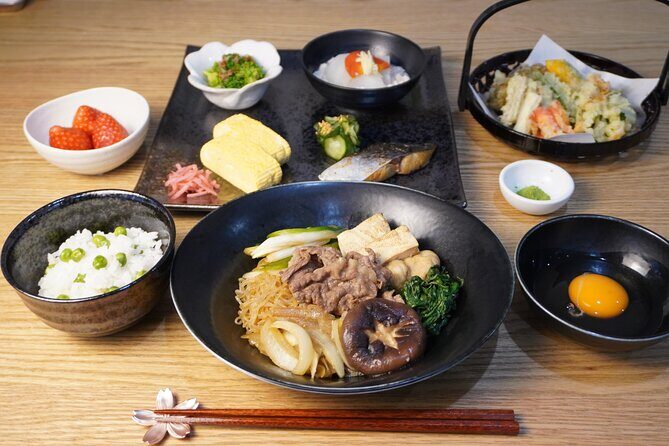
- Course A: sukiyaki, tempura, and rolled omelet
- Course B: wagyu roast beef bowl, chicken nanban, and sashimi
- The smartest decision tip
- What the 2-hour flow actually feels like
- The rice obsession: why Koshihikari from Minami-Uonuma changes the meal
- Inside the cooking: practical skills you can take home
- The instructor and group size: small table, big attention
- Food, fun, and the occasional music moment
- Price and value: what you’re paying for at about $104.51
- How to fit it into your Osaka day
- Who should book this Osaka home-cooking class
- Should you book Cook, Taste and Enjoy Osaka?
- FAQ
- Where is the meeting point for the cooking class?
- How long does the experience last?
- Do I need to choose a course when I book?
- What dishes are in Course A and Course B?
- Is water included?
- Is alcohol included?
- How big is the group?
- Is the meeting point near public transportation?
- When will I receive confirmation after booking?
- Can I cancel for a full refund?
- Do I get a mobile ticket?
Key things to know before you cook in Osaka
- Small group, up to 8 people so you get real attention instead of rushing through stations
- Pick Course A or Course B up front; both are built around cooking two dishes together
- Seasonal, Japan-first ingredients that change with the year’s rhythm
- Koshihikari rice from Minami-Uonuma, Niigata chosen for quality (and it matters for your results)
- Water is free; other drinks cost extra and alcohol isn’t included
- You may catch a short music moment in some sessions, including a performer named Keiko
A hands-on Osaka kitchen, not a showroom class
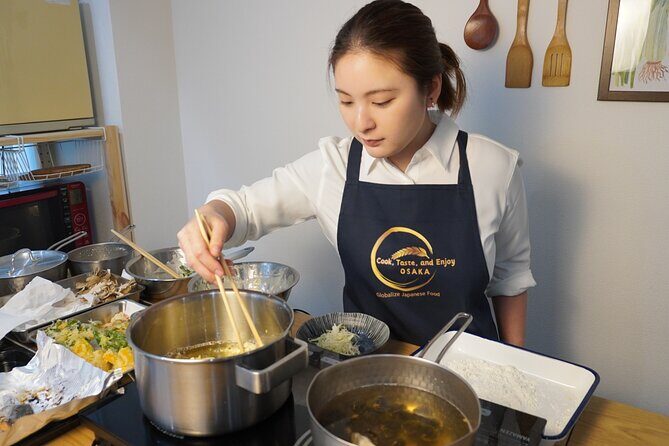
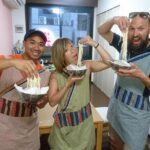
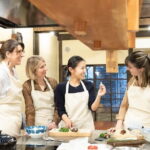
If you’ve ever done a cooking class where you stand at the edge and hope your food survives the process, you’ll like this one a lot more. It’s Cook, Taste and Enjoy Osaka, and the focus is simple: cook, taste, and enjoy—while having fun with an instructor who’s comfortable teaching.
The big win here is the blend of structure and looseness. You get guidance as you cook, but the mood isn’t stiff. It feels built for real travel energy: you come in hungry, you work for a couple hours, and you leave with dishes you can actually imagine making again at home.
And yes, Osaka matters here. The food culture is confident. Even in a small class, the flavors feel like they belong in Japan—not like a generic “international cooking” lesson.
You can also read our reviews of more cooking classes in Osaka

Where to meet in Nishishinsaibashi (and why location matters)
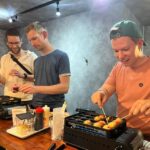
Your meeting point is at 2 Chome-13 Nishishinsaibashi, Chuo Ward, Osaka, 542-0086. The activity ends back at the same place, so you’re not stuck figuring out how to get home after dinner.
This area is convenient because you’re in central Osaka. In practice, that means you can often pair the class with an evening walk through the neighborhood. You also won’t lose time to long commutes—important when the whole experience is about 2 hours.
You’ll find it near public transportation, so if your schedule is tight, you can still make it work without stress. Just give yourself a few extra minutes to locate the exact building entrance and get settled.
Course A vs Course B: choosing what you really want to cook
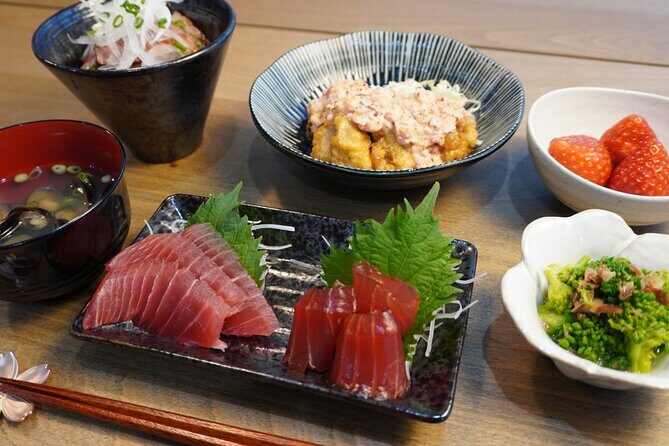
When you reserve, you choose Course A or Course B. Both courses involve making two dishes together, and then you enjoy the meal as part of the experience. The menu items give you a clear clue about the style of cooking you’ll run into.
Course A: sukiyaki, tempura, and rolled omelet
Course A is the route if you want a classic Japanese lineup with variety:
- Sukiyaki brings the sweet-salty comfort side of Japanese cooking
- Tempura means lighter, crisp textures and careful frying technique
- Rolled omelet adds a gentle, savory finish
Even if you’ve had these dishes in restaurants, cooking them is a different experience. You learn what makes each one work—especially how rice and seasonings support the overall balance.
Course B: wagyu roast beef bowl, chicken nanban, and sashimi
Course B leans into richer flavors and a sharper mix of textures:
- Wagyu roast beef bowl for beef-forward comfort
- Chicken nanban for that punchy, tangy crunch-and-sauce vibe
- Sashimi for a clean, fresh bite that resets the palate
If you’re someone who really wants the “Osaka night out” feeling, Course B is often the more dramatic choice on paper. One practical note: because sashimi is part of the Course B menu, if you’re not into raw fish, think carefully before you pick it.




The smartest decision tip
Don’t choose only by what sounds delicious. Choose based on what you want to learn. Course A tends to reward technique (especially tempura) and comfort flavor building. Course B gives you a chance to work with meat bowls, sauce-driven fried chicken, and the discipline of sashimi serving.
What the 2-hour flow actually feels like
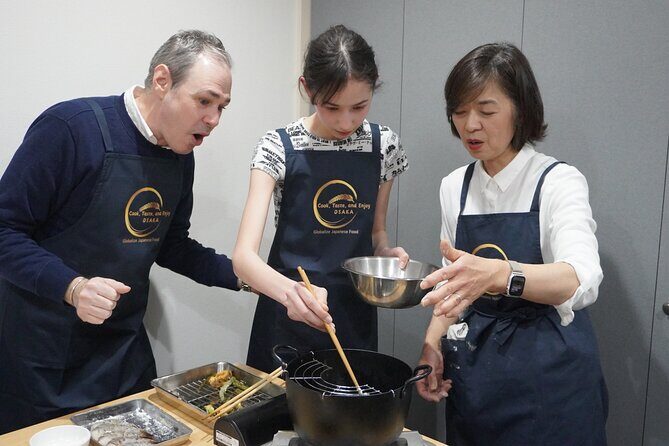
The class runs about 2 hours. Some sessions can run a bit longer, but you should plan for an experience that finishes in the same evening block you set out for.
Here’s the rhythm you can expect, based on how the class is described and how cooking classes like this typically operate:
You start with a meet-and-greet and quick orientation. Then you move into cooking alongside the instructor and staff. This is not a “watch and taste” situation. You’re actively making dishes, and you’ll get support when you need it—especially with timing and handling ingredients.
The instructor’s job is to keep you confident. That matters, because Japanese home cooking depends on small details: cutting styles, temperature, seasoning balance, and knowing when something is ready even if you don’t have kitchen experience.
Finally, you sit down and eat what you cooked. This is where the focus on rice becomes obvious. When rice is chosen carefully, the whole meal feels more connected—like the dishes weren’t random plates but part of one Japanese table experience.
The rice obsession: why Koshihikari from Minami-Uonuma changes the meal
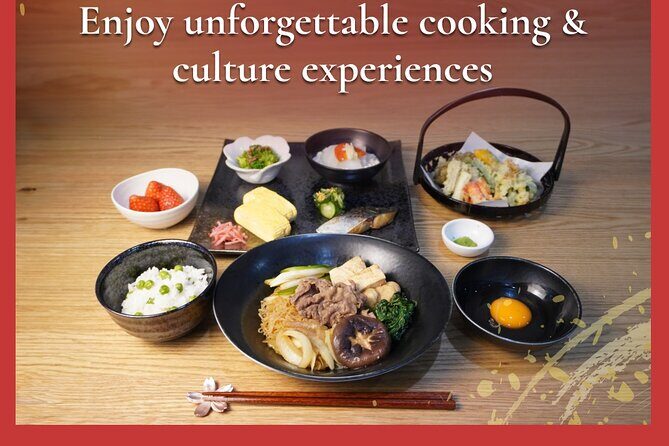
A lot of cooking classes say the rice is good. This one goes further. They source Koshihikari rice directly from a contracted farmer in Minami-Uonuma City, Niigata Prefecture—an area known for rice production.
Why you should care: rice in Japanese meals isn’t a side item. It’s the base that carries sauce, balances saltiness, and softens the edge of richer dishes like wagyu or fried chicken.
When a class puts real attention into rice sourcing, it usually means your dishes taste more like they should. You’re not tasting “effort.” You’re tasting the ingredient itself.
If you’ve only ever eaten rice as something that shows up with the meal, cooking in a class that treats rice as a centerpiece helps you understand Japanese flavor logic. It also makes your own future home cooking easier, because you’ll know what to prioritize.
Inside the cooking: practical skills you can take home
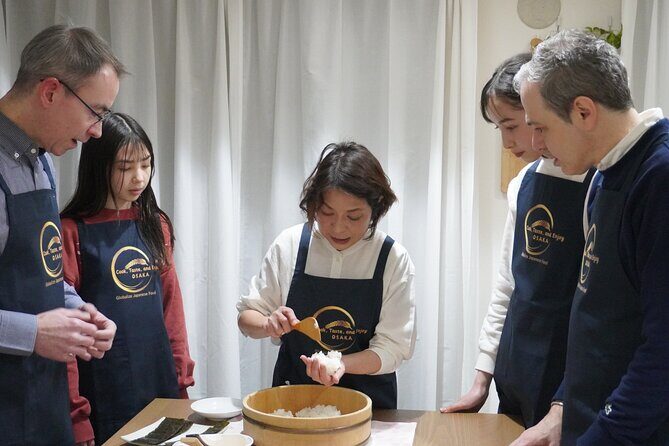
Even without a long lecture, you’ll walk away with technique. That’s what makes a class worth the money.
Here are the kinds of practical skills this menu naturally trains you for:
- Sukiyaki-style seasoning balance: how sweetness and soy-based saltiness work together
- Tempura batter and texture awareness: how frying timing changes the final bite
- Rolled omelet control: getting a smooth, neat cook without rushing
- Bowl building: layering flavors so each spoonful hits right
- Chicken nanban sauce rhythm: when to add sauce so crunch doesn’t collapse too fast
- Sashimi presentation discipline (Course B): simple, clean handling matters
And the staff doesn’t just hand you a recipe card and disappear. The class format emphasizes cooking with guidance, so you learn what you should notice while you’re doing it.
The instructor and group size: small table, big attention
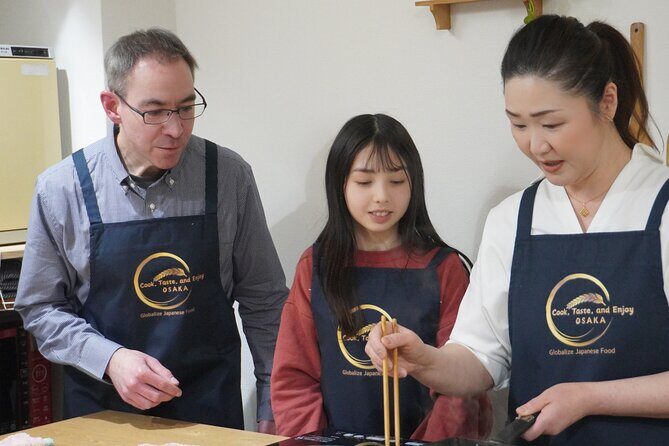
The group size is capped at 8 travelers. That’s not a throwaway detail—it’s the difference between getting help and getting stuck.
In a small group, you’re more likely to:
- ask a question and get an answer right away
- get corrected on technique before you repeat a mistake
- keep the cooking pace without feeling rushed
The experience also has a strong record of friendly, helpful teaching. One consistent highlight in feedback is how approachable the host/instructor is, including strong English support in past sessions. That’s exactly what you want when you’re trying to learn food skills in a different language.
Food, fun, and the occasional music moment
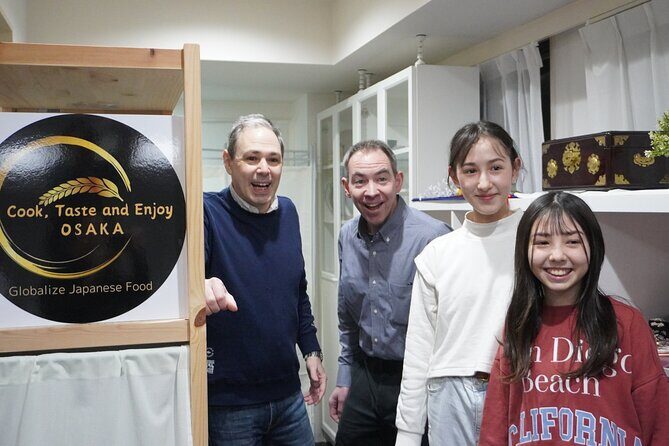
This class is built to be enjoyable, not just educational. In addition to the cooking and eating, some sessions include a short performance with a musician named Keiko, with music and singing described as happening right in front of the group.
You shouldn’t base your whole plan on catching it every time, but it’s a nice bonus when it happens. Think of it as the class giving you a little extra Osaka atmosphere—like a small cultural add-on that doesn’t stretch your schedule.
Either way, the core stays the same: cook together, taste what you made, and leave satisfied.
Price and value: what you’re paying for at about $104.51
At $104.51 per person, this isn’t the cheapest activity in Osaka. But it also isn’t trying to be. You’re paying for:
- Hands-on teaching (not a passive tasting walk-through)
- Seasonal ingredients that reflect Japanese home cooking
- Premium rice sourcing from Niigata
- A small group experience with a max of 8 people
- A full meal built around what you cook
For many visitors, the biggest value isn’t just the food—it’s the learning and the confidence. If you usually eat Japanese meals by ordering and hoping you understood the flavors, this kind of class helps you build real tasting instincts.
And if you pick Course B, you’re also stepping into more dramatic ingredients like wagyu roast beef bowl and sashimi. That alone can make the price feel more reasonable compared with doing those items separately at restaurants.
How to fit it into your Osaka day
Because the duration is about 2 hours and it returns you to the starting point, this is easy to schedule. I like placing it before or after a walking dinner plan.
Practical tips if you’re planning your day:
- Don’t book a class right when you land unless you know exactly how your commute will go. Osaka is manageable, but build in buffer time.
- If you’re doing other food stops, keep expectations realistic. You’ll eat what you cook, so you don’t need to overdo it immediately afterward.
- Plan to budget for drinks. Water is free, but other drinks are charged separately, and alcohol isn’t included.
If you like food experiences that feel personal—where you actually make the meal—this fits perfectly.
Who should book this Osaka home-cooking class
Book it if you:
- want a true Japanese home-cooking style lesson in Osaka
- like learning by doing, with staff guiding you through the steps
- care about ingredients (especially rice), not just recipes
- want a small-group setting where you can ask questions and move at a comfortable pace
- are excited about either sukiyaki/tempura/rolled omelet or the wagyu/chicken nanban/sashimi lineup
You might think twice if you:
- want a long class or lots of different dishes beyond two you cook
- hate the idea of choosing Course A or B ahead of time
- are hoping alcohol and drinks are included (only water is free; alcohol isn’t included)
Should you book Cook, Taste and Enjoy Osaka?
Yes, if you want an experience that’s hands-on, ingredient-focused, and genuinely fun. The small group size and the strong track record of friendly, helpful teaching make it a good value for the time you’re in Osaka. The Koshihikari rice from Minami-Uonuma detail isn’t just marketing—it supports a better meal, and you’ll taste the difference.
If you’re deciding between Course A and Course B, pick based on the cooking you’re most interested in—and remember Course B includes sashimi. If that sounds like a no-go for you, Course A will likely feel safer and more aligned with your preferences.
FAQ
Where is the meeting point for the cooking class?
The class meets at 2 Chome-13 Nishishinsaibashi, Chuo Ward, Osaka, 542-0086, Japan, and it ends back at the same meeting point.
How long does the experience last?
It lasts about 2 hours (approx.).
Do I need to choose a course when I book?
Yes. You choose either Course A or Course B when making your reservation.
What dishes are in Course A and Course B?
Course A features sukiyaki, tempura, and rolled omelet. Course B features wagyu roast beef bowl, chicken nanban, and sashimi. In both courses, you make two dishes together.
Is water included?
Water is free, but other drinks are charged separately.
Is alcohol included?
No. Alcoholic beverages are not included.
How big is the group?
The experience has a maximum of 8 travelers.
Is the meeting point near public transportation?
Yes, it is near public transportation.
When will I receive confirmation after booking?
Confirmation is received within 48 hours of booking, subject to availability.
Can I cancel for a full refund?
Yes. There is free cancellation. You must cancel up to 24 hours in advance of the experience start time for a full refund.
Do I get a mobile ticket?
Yes. The experience includes a mobile ticket.
If you want, tell me what kind of meal you’re craving most—sukiyaki comfort or wagyu/chicken nanban boldness—and I’ll help you pick Course A or Course B.