REVIEW · OSAKA
1-Day walking tour in Osaka:Castle, temples and Ukiyoe
Book on GetYourGuide →Operated by Machinovate Japan Ltd. · Bookable on GetYourGuide
Osaka in a single day? This tour makes it click fast. You start at JR Osaka Station and string together the big names—Osaka Castle, Shitennoji, and Dotonbori—plus a hands-on Japanese art stop with an English guide like Winky who keeps the day moving and answers the questions. It’s a smart mix of history, food time, and street energy, all connected by public transportation.
Two things I really like: first, the explanations have clear timelines and context, not just facts. Winky’s style is patient and friendly, and she’s great at turning big sights into easy-to-follow stories (including plenty of moments for kids to stay engaged). Second, you get more than the usual photo stops; you’re guided through the market area and the down-town sights, with enough direction that you can actually enjoy the place instead of wandering hungry and confused.
The main drawback to plan for is simple: this is a mostly-outdoor walking day. You’ll want comfortable shoes, and you should bring sunshade and rain protection since weather can change your pace and comfort. Also, food and drinks are on you, even though the guide will help you use the lunch break well.
In This Review
- Key highlights at a glance
- Why This Osaka Walk Works in One Day
- Meeting at Akatsuki Plaza Inside JR Osaka Station
- Osaka Castle Museum: The City’s Power Story in Numbers
- Shitennoji Temple: Buddhism’s Route to Japan
- Kuromon Ichiba Market Lunch: Eat, Walk, Repeat
- Dotonbori: 3D Billboards, Street Color, and Ukiyoe
- Shinsaibashi Finishing Walk and Photo Stop Moments
- Price and What Feels Like Value at $136
- Comfort Tips for a Mostly-Outdoor Day
- Who This Tour Fits Best
- Should You Book This Osaka Castle, Temple, and Ukiyoe Day?
- FAQ
- What time does the tour start, and where do I meet?
- Which places are included in the 1-day route?
- Is this a walking tour or does it include public transportation?
- What’s included in the price?
- Are meals included?
- What should I bring for the day?
Key highlights at a glance
- A full Osaka route with public transport linking castle, temple, markets, and downtown without you doing the logistics
- Osaka Castle Museum context on the castle’s 1597 completion, repeated destruction, and 1995 government rebuild
- Shitennoji Temple’s Buddhist journey—how Buddhism traveled from India to China and then to Japan
- Kuromon Market lunch time with guided entry plus time to choose what you want to eat
- Dotonbori street sights plus Ukiyoe art and the area’s famous 3D billboard energy
- Shinsaibashi finishing walk and photo chances along a long-running commercial street
Why This Osaka Walk Works in One Day

Osaka can feel like a food-and-neon blur if you don’t give it structure. This tour gives you a day plan that actually makes sense: one major landmark in the morning (Osaka Castle), one spiritual anchor (Shitennoji), one food-focused block (Kuromon Market), then a downtown art-and-sight walk (Dotonbori and Shinsaibashi).
What makes it especially useful is the way the day is stitched together. You’re not hopping random subway lines and guessing which exits to use. The itinerary uses train legs between sights, and the walking segments are long enough to feel like you’re seeing the city up close, but not so vague that you’ll lose the thread.
You also get guided time in places where self-guided visits can be hit-or-miss. Osaka Castle and Shitennoji are both big “you should see this” stops, but the stories and cultural meaning land much better with an English-speaking guide who can connect the dots.
You can also read our reviews of more walking tours in Osaka

Meeting at Akatsuki Plaza Inside JR Osaka Station

Your day starts at 09:25 at Akatsuki Plaza (暁の広場) on the first floor of the North Gate Building inside JR Osaka Station. This matters more than it sounds. JR Osaka Station is huge, and it’s easy to waste time hunting the right meeting point if you show up late.
Here’s the practical way to approach it:
- Go to JR Osaka Station and head toward the Central Exit ticket gates.
- Walk north toward Yodobashi Camera.
- You’ll find Akatsuki Square on the first floor, with escalators on both sides. Wait on the first floor—don’t take the escalators up.
If you’re coming from the Midosuji Subway Line (like Namba or Shinsaibashi), follow signs toward JR Osaka Station first, even if that means a few stairs or connecting halls. Once you’re inside JR, it’s Central Exit directions from there.
Osaka Castle Museum: The City’s Power Story in Numbers

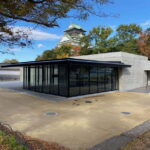
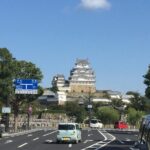
The first stop is Osaka Castle, with time to visit the Osaka Castle Museum and explore around the castle area. Even if you’ve seen lots of castles in Japan, this one has a particular angle: it’s not just a photo-worthy structure, it’s a story about resilience and reinvention.
Key facts you’ll hear (and they help you read what you’re seeing):
- The castle was completed in 1597.
- It was destroyed many times.
- It was rebuilt by the Japanese government in 1995.
- The current castle is a different version than the original, so don’t expect an exact time capsule.
That context changes how you look at the place. Instead of treating it like a static monument, you understand it as a living piece of Osaka’s identity—rebuilt, reinterpreted, and kept important enough to restore at scale in modern times.
The tour includes guided time here (about an hour), which is a nice sweet spot. You get enough structure to understand the castle and Osaka’s broader historical setting, without getting stuck in a museum for hours.
Practical note: the castle area can be sunny or windy, so comfortable shoes and a light layer are smart.
Shitennoji Temple: Buddhism’s Route to Japan

After the castle, the next major stop is Shitennoji Temple. This is one of those places where the importance is both cultural and historical—and the guide helps you catch why quickly.
Shitennoji is described as the first Japanese Buddhist temple. The stories you’ll hear focus on how Buddhism traveled long distances: from India to China, then eventually arriving in Japan thousands of years ago.
That “travel route” framing is useful. It turns the temple from a single religious site into a marker of cross-continental exchange. You’re not just looking at architecture; you’re learning how ideas moved and adapted.
In addition, recent experiences highlighted moments connected to temple life—chanting by monks and ceremonies—plus time to go to a top area where people can pay respects to a relic. That’s not something you’d easily line up on your own, especially if you’re unsure where to stand or what to notice.
Plan for respectful pacing. This is a guided visit, but you still want to slow down, look carefully, and give the space the attention it deserves.
Kuromon Ichiba Market Lunch: Eat, Walk, Repeat

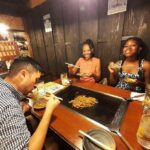
By the time you reach Kuromon Ichiba Market, the day shifts gears from monuments to appetite. This market is one of Osaka’s best-known food stops, and the tour gives you a guided intro plus real free time to choose lunch.
The market is described as having about 150 stores, selling things like seafood, vegetables, fruits, food and beverages, and even some clothing. The market area is roughly 580 meters south of Sennichimae, so it’s central enough that you can feel the Osaka energy without needing extra transportation.
You get about one hour here, which is a good length for two reasons:
- You can watch what’s being prepared and choose based on what looks good in the moment.
- You’re not trapped eating fast or moving too slowly—there’s time for decisions.
What’s included: the tour covers the guided part and entrance fees, but food and drinks are not included. That’s actually helpful value-wise. Markets are personal. Some people want grilled seafood, some want snacks, some want something milder. A guide can point the way, but you’re free to pick your own budget and cravings.
If you’re traveling with kids, this is often the part that keeps everyone happy. The day becomes interactive: smell, taste, point, try one more thing.
You can also read our reviews of more tours and experiences in Osaka

Dotonbori: 3D Billboards, Street Color, and Ukiyoe

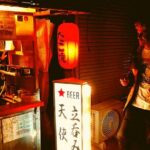
Then you head to Dotonbori, the famous downtown area in Minami, Osaka. If you’ve seen Osaka in photos, this is the zone that usually comes with the iconic signage and big billboards. The tour uses Dotonbori for two purposes: street sightseeing and Japanese art.
The area is known for large three-dimensional billboards, and walking through it feels like stepping into the Osaka that movies and postcards capture. It’s not just about taking pictures again—it’s about understanding why this commercial district has a distinct visual identity.
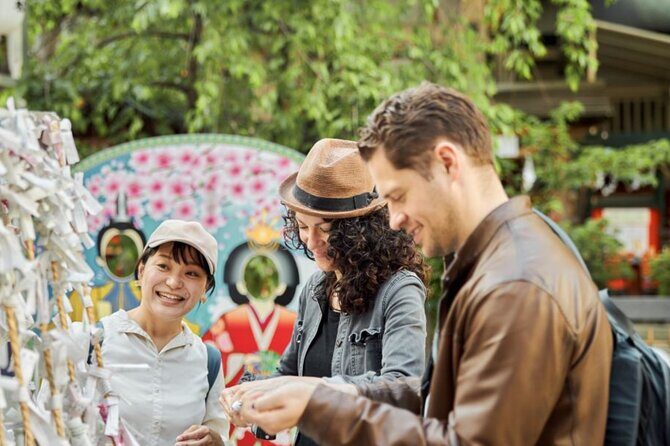
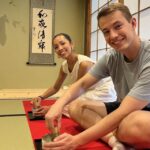
Here’s the art component that makes the stop more than just sightseeing: an Ukiyoe experience (a fee is included). Ukiyoe artwork flourished from the 17th to the 19th centuries, with early works found around the 1670s. The guide will help you connect what you learn in that art session to the kinds of images and symbols you see around you in the city.
The best way to think about this segment: Dotonbori gives you the modern street energy, and Ukiyoe gives you the historical “why” behind Japan’s image-making tradition. Put together, the contrast becomes interesting instead of confusing.
You also get about two hours in the Dotonbori area with guided time, which is plenty. You’ll have time to enjoy the street scenes without feeling rushed straight into shopping.
Shinsaibashi Finishing Walk and Photo Stop Moments

Your final guided area is Shinsaibashi, a popular shopping street with a long role as a regional commercial center. The tour notes that you’ll see both local Japanese shops and overseas brands, so it’s a mixed environment rather than a tiny traditional corridor.
Along the walk, you’ll pass the famous Osaka billboard and you can pose for photos. It’s a light, fun closer—especially if you’ve been on your feet since the castle.
Then you return together back to JR Osaka Station to wrap up the day. The exact timing can vary depending on weather and train conditions, but the route is built so you can still plan a chill evening afterward.
Price and What Feels Like Value at $136

At $136 per person, this tour sits in the mid-range for a guided day with multiple paid components. The real value isn’t just the guide—it’s that several costs are already covered:
- Entrance fees for the stops
- Train tickets required for the tour
- Ukiyoe experience fee
- An English-speaking guided tour
What’s not included is just as important:
- Food and drinks (you buy your own lunch/snacks at Kuromon and elsewhere)
- Train tickets before and after the tour (for getting to JR Osaka Station in the morning and for leaving afterward)
So how do you know if it’s worth it for you? It’s worth it when you want structure. If you only had half a day and you didn’t want to deal with transfers, exits, and “where do we go next,” paying for a guided route makes sense fast. If you already love planning your own rail route and you’re comfortable visiting temples and markets without a guide, the price may feel harder to justify.
For most one-day Osaka visitors, this combination of transport + admissions + one art activity is exactly the kind of packaged value that saves time and reduces stress.
Comfort Tips for a Mostly-Outdoor Day

This tour spends hours outdoors on a walking schedule. The practical recommendation is clear: wear comfortable shoes and dress for the weather. Bring sunshade and rain protection if needed.
Also remember that the itinerary includes free time—you’ll want to keep your energy up so you can enjoy it. The guide will make clear where to meet again, but your job is still to stay aware. If you get lost or forget the meeting point, you’re advised to call immediately.
If you’re prone to blisters or you hate being stuck in crowds when it’s wet, consider packing:
- a small towel or tissue
- a light rain layer
- any basic meds you rely on
Who This Tour Fits Best

This is a strong match if you:
- Have one day in Osaka and want the highlights connected in a logical order
- Want history and culture explained in English without you hunting for context
- Like mixing big landmarks with real street areas like Dotonbori and the market lunch break
- Travel with kids (recent experiences described a guide who keeps them engaged and answers questions patiently)
It’s also a good fit for people who want an “easy mode” day. The tour’s structure handles the hardest part: how to move between key sights.
If you’re the kind of traveler who wants total freedom and hates group pacing, you might prefer picking just one or two areas and staying there longer. But for a first Osaka trip, this route gives you a lot of ground quickly—without feeling like a checklist.
Should You Book This Osaka Castle, Temple, and Ukiyoe Day?
I’d book it if you want an efficiently guided Osaka day where you learn while you walk, and you’re not trying to conquer the city map alone. The guide experience (including Winky’s patient, friendly explanations) is a big part of why people finish the day feeling like they understand what they saw—not just that they visited it.
Book it especially if you like the idea of:
- Castle history with clear context
- Temple storytelling tied to broader cultural movement
- Market lunch time that’s flexible
- A hands-on Ukiyoe art experience linked to what you see in Dotonbori
Skip it only if you prefer self-paced wandering, or if you’re very price-sensitive and plan to do food and transport on your own anyway.
FAQ
What time does the tour start, and where do I meet?
The tour starts at 09:25 at Akatsuki Plaza (暁の広場) inside JR Osaka Station, first floor of the North Gate Building. You should wait on the first floor by the escalators, and you’ll be holding a sign that says SNOW MONKEY RESORTS.
Which places are included in the 1-day route?
The tour includes Osaka Castle (with museum visit), Shitennoji Temple, Kuromon Ichiba Market (with lunch time), Dotonbori, and Shinsaibashi, with time to return back to JR Osaka Station.
Is this a walking tour or does it include public transportation?
It’s a walking tour that uses public transportation between stops. You’ll walk around the sights and take train legs as part of the itinerary.
What’s included in the price?
Included are entrance fees for each spot during the tour, train tickets required for the tour, the Ukiyoe experience fee, and an English-speaking guided tour.
Are meals included?
Food and drinks are not included. You’ll have lunch/free time at Kuromon Market, but you’ll purchase what you eat.
What should I bring for the day?
Wear comfortable shoes and dress for the weather. The tour involves hours outdoors, so bring sunshade and rain protection if needed.