REVIEW · OSAKA
【Private】Sushi Making Osaka! Omakase Cooking Class in Japan!
Book on Viator →Operated by Sushi Making Tokyo | Cooking Class in Japan · Bookable on Viator
Osaka turns sushi lessons into real food craft. I like that this private class in central Osaka mixes hands-on cooking with an English-friendly guide, including instructors like Momoka. You’ll learn two styles in a focused session, then eat your results right there.
My second favorite part is the learning flow: nigiri and maki practice, plus some sushi history explained in plain terms. One consideration: at about $848.74 per group (up to 10), it’s best value when you share the cost with others.
In This Review
- Key Highlights You’ll Care About
- Why Sushi-Making in Osaka Feels Like Japanese Culture, Not Just a Class
- What You Actually Make: Nigiri and Maki Rolls
- The 90-Minute Flow: History, Practice, and Eating Your Sushi
- Central Osaka Meeting Point: Getting There Without Headaches
- The Teaching Style: Clear English, Patient Coaching, and Real Energy
- Dietary Options: What’s Available and What You Can’t Request
- Price and Value: When $848.74 Per Group Makes Sense
- Who This Class Fits Best (And Who Might Skip It)
- Should You Book Sushi Making Osaka?
- FAQ
- How long is the sushi making class in Osaka?
- What types of sushi do you learn to make?
- Is this experience private?
- Is hotel pickup included?
- Do they offer gluten-free, vegan, or halal options?
- Can I cancel and get a full refund?
Key Highlights You’ll Care About
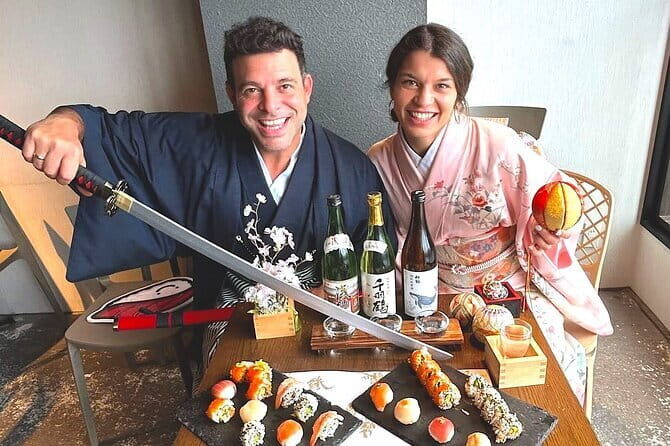
- Two sushi styles in one session: classic nigiri and popular maki rolls
- Make first, eat last: you practice in the early half, then enjoy what you made
- English instruction that feels easy to follow: hosts like Momoka, Momo, and Hiro bring energy and patience
- Dietary options exist: gluten-free, vegan/vegetarian, halal, plus limited allergy considerations
- Central Osaka location: a convenient meeting point near public transportation, with sightseeing options nearby
- Private group experience: only your group participates, with ingredients and the meal included
Why Sushi-Making in Osaka Feels Like Japanese Culture, Not Just a Class
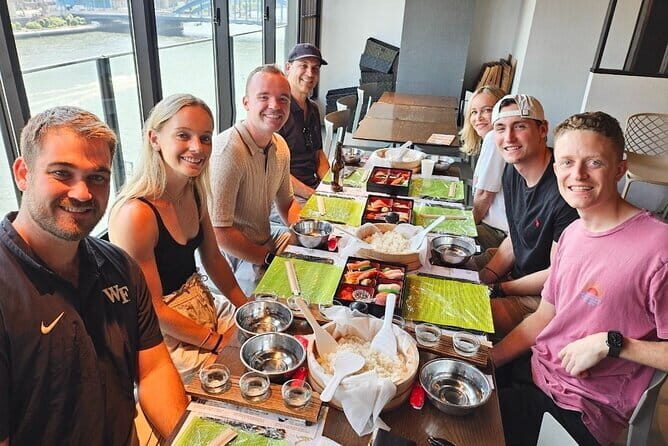
Osaka is famous for food, but this experience gives you something more useful than a full stomach. Sushi is Japanese cuisine, sure. It’s also technique, timing, and attention—things you only understand when your hands do the work.
In this class, you’re not just watching someone else cook. You learn the idea behind sushi and then practice it. That matters because sushi is built on small choices: rice texture, ingredient balance, and how you shape or roll without overdoing it.
I also like that the teaching approach is straightforward and English-speaking. When the explanation lands clearly, you spend less time guessing and more time getting better. That’s the difference between a fun activity and a skill you can reuse later.
You can also read our reviews of more private tours in Osaka


What You Actually Make: Nigiri and Maki Rolls
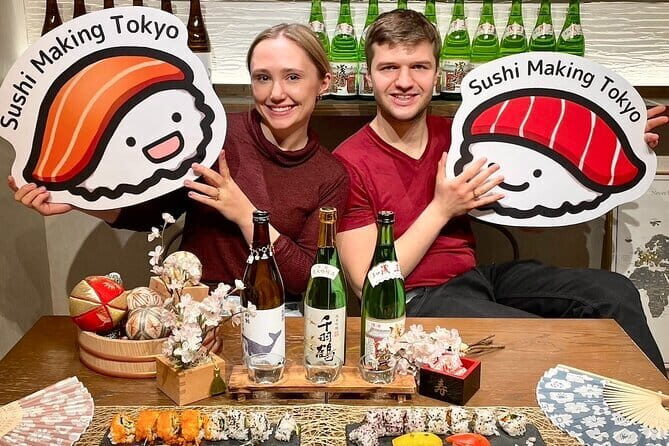
This class focuses on two core sushi types that show you how sushi thinking changes by form.
First is nigiri sushi. This is the standard, “origin-style” approach in Japan—rice paired with a topping, shaped into a neat bite. Even if you’ve had nigiri before, making it yourself helps you understand why people care about the rice texture and the topping placement.
Second is maki sushi, the roll style you’ll see all over the world. Here, your goal shifts to rolling. You learn how the ingredients get layered and how to wrap them in a tight, clean roll so it slices well and holds together.
The class theme is basically: learn the fundamentals through repetition, then eat the evidence. That’s why it’s such a satisfying format for first-timers and food lovers.
The 90-Minute Flow: History, Practice, and Eating Your Sushi
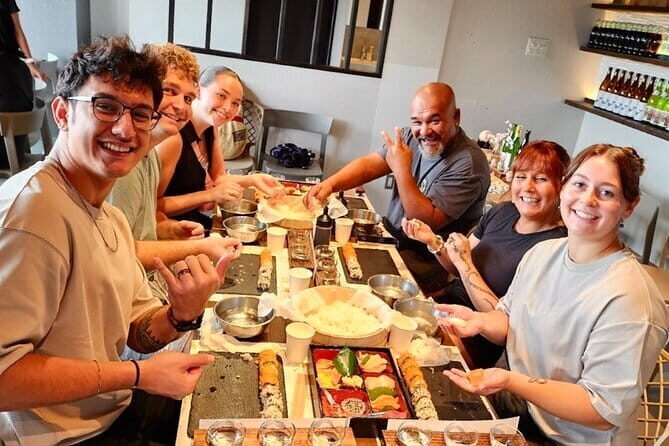
The session runs about 90 minutes. The pacing is simple and easy to trust.
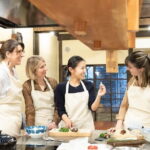
In the first half, you learn a bit of sushi background, then you start making sushi. This is where the class earns its keep. You’re not stuck in lecture mode. You get to work immediately, and you can keep making sushi rather than doing a single rushed attempt.
By the last half, it shifts from building to enjoying. You eat the sushi you made, which turns the practice into something tangible. You’ll taste what your choices created, and that feedback is part of learning.
A practical point: plan to arrive on time and in decent hunger. You’ll be working with food and then eating. If you snack heavily beforehand, the final bites won’t feel as rewarding.
Central Osaka Meeting Point: Getting There Without Headaches
The meeting point is at 1-chōme-16-20 Higashishinsaibashi, Chuo Ward, Osaka, 542-0083. It’s in the heart of Osaka, which is exactly where you want a cooking class if you also plan to see sights before or after.
The good news is that it’s near public transportation, so you shouldn’t need a complicated plan. Still, I recommend giving yourself a little buffer time the first morning. Osaka streets can be easy to navigate, but shortcuts and station exits vary by route.
Also note: the experience ends back at the meeting point. That means you can treat it like an anchor in your schedule, then head out on foot or by transit for nearby attractions after class.
The Teaching Style: Clear English, Patient Coaching, and Real Energy
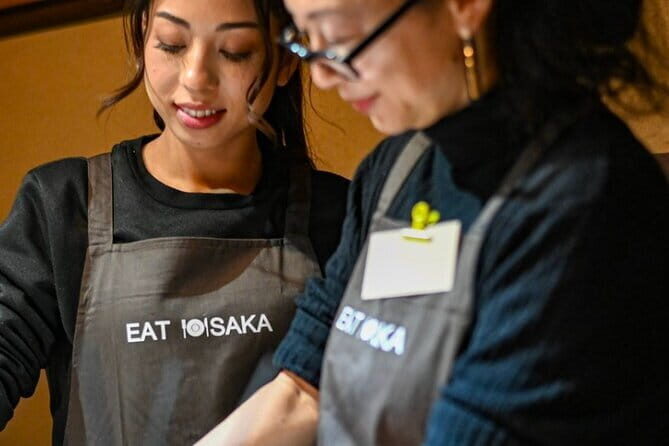
One of the strongest signals from the class format is the emphasis on an English-speaking instructor and a friendly team. In practice, that matters because sushi has lots of small steps where unclear directions can turn into messy results.
From past participants, instructors and hosts like Momoka, and teams including Momo and Hiro, are described as funny, patient, and enthusiastic. That kind of vibe helps a lot in a hands-on class. Sushi-making can feel technical even when it’s not complicated. A good host keeps you moving and makes the learning curve feel normal.
Here’s what you should expect from a class like this, even if you’re a total beginner:
- you’ll be guided step-by-step through the process
- you’ll get correction in a friendly way when something isn’t quite right
- you’ll leave understanding what you did, not just that you did it
If you like active learning—hands dirty, brain engaged—this style fits well.
You can also read our reviews of more cooking classes in Osaka

Dietary Options: What’s Available and What You Can’t Request
If you have dietary needs, this class is worth a close look because the menu supports multiple categories. You can choose:
- Standard (gluten-free)
- Vegan/vegetarian
- Halal
- Allergy-related adjustments, with the note that certain items are not used (meat, nuts, fruits, dairy)
Important limits to understand upfront:
- You need to request changes when you make your reservation.
- They can’t respond on the day.
- They do not accept ingredients specifications. In other words, you may not be able to tailor very specific swap requests.
That last point matters if you have a complex allergy situation or a very specific ingredient preference. The safest approach is to contact them during booking with your exact category needs (gluten-free, vegan, halal, or allergy category) rather than trying to micromanage every ingredient.
If you fall under the listed categories, this class can be a genuinely good way to participate fully instead of sitting out or eating something separate.
Price and Value: When $848.74 Per Group Makes Sense
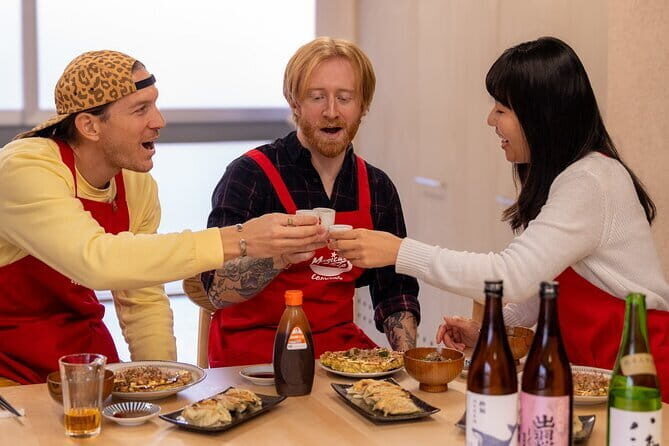
The price is $848.74 per group (up to 10). That sounds high if you’re thinking per person at first glance, but value depends on group size.
If you fill the group, the effective cost per person becomes much more reasonable. If you’re booking with 4 people, 2 people, or just yourself, the per-person amount climbs fast. So the key question for you is simple: will you split the group cost?
Also remember what’s included:
- an English-speaking instructor
- ingredients for the class
- the meal (you eat what you make)
You’re paying for hands-on instruction and a meal experience in central Osaka, within a tight 90-minute window. That’s not the same as buying groceries and trying sushi at home, because sushi-making is partly technique and partly guidance.
My practical take: this is a great value for small friend groups, couples who can share, and families who want a structured activity. For solo travelers, it can still be fun, but you’ll want to be comfortable with the price you’re paying for the “private group” format.
Who This Class Fits Best (And Who Might Skip It)
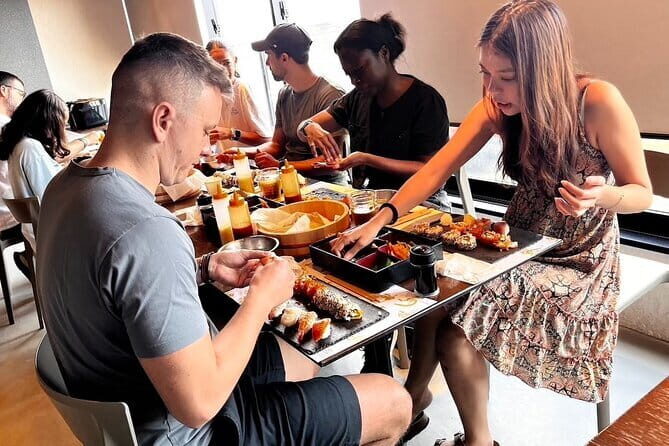
This is best for people who want:
- a real food skill, not just a meal
- a short, guided experience that fits into a travel day
- an English-friendly explanation of sushi culture and technique
It’s also a strong pick if you’re traveling with others who enjoy interactive activities. People who like cooking, food photography (without spending hours), and learning by doing usually rate this type of class highly.
You might consider skipping if:
- you’re looking for a long, multi-hour deep learning workshop
- you want hotel pickup (this class doesn’t include it)
- you need heavy customization beyond what they list for dietary options
Should You Book Sushi Making Osaka?
If you’re choosing between sushi-as-a-meal and sushi-as-a-skill, I’d lean toward booking. You’ll make nigiri and maki, hear sushi history in an accessible way, and then eat what you produced. That combination is the point.
Book it if:
- you can share the group price
- you want a structured, hands-on cultural activity in central Osaka
- you fall within the listed dietary options and can request them at reservation time
Skip or rethink it if:
- you’re solo and the per-person cost won’t feel fair
- you expect hotel pickup or super-specific ingredient changes
For the right group size, this is exactly the kind of travel activity that pays you back with knowledge you can use later, not just photos you’ll scroll past.
FAQ
How long is the sushi making class in Osaka?
It’s about 90 minutes.
What types of sushi do you learn to make?
You learn two types: nigiri sushi and maki sushi (roll sushi).
Is this experience private?
Yes. It’s private, and only your group participates.
Is hotel pickup included?
No. Hotel pickup and drop-off are not included.
Do they offer gluten-free, vegan, or halal options?
Yes. Options include Standard (gluten-free), vegan/vegetarian, and halal. For allergy needs, certain items are not used. You need to request menu changes at the time of reservation, and they can’t respond on the day.
Can I cancel and get a full refund?
Yes, cancellation is free. You can cancel up to 24 hours in advance for a full refund. If you cancel less than 24 hours before the start time, the amount paid isn’t refunded.