REVIEW · OSAKA
Osaka: Bike Adventure with Lunch
Book on GetYourGuide →Operated by InKansai Ltd · Bookable on GetYourGuide
Bikes turn Osaka into a story you can pedal through. You’ll weave from Japan Mint to Shin-Sekai, then finish at Osaka Castle, with a real lunch stop in between. What I like most is the mix of major sights and city texture, plus the chance to hear the city explained by a local guide (English-speaking).
One catch: this is for people who can comfortably ride a bike. It’s not suitable for kids under 13, pregnant travelers, or anyone who can’t ride, and you’ll be on the move for about 5.5 hours. Also, there’s no hotel pickup, so you’ll need to show up at the meeting point near Tenmabashi.
In This Review
- Key reasons this Osaka bike-and-lunch tour works
- Why biking makes Osaka feel different (and more personal)
- Meeting at Tenmabashi and getting rolling the right way
- Japan Mint: starting with Osaka’s practical side
- Nakanoshima Island: European-style buildings and gardens by the water
- Lunch at a local eatery: how to get your money’s worth
- Oldest temple stop and Tsutenkaku: two landmarks that anchor the story
- Shin-Sekai by bike: street-level Osaka, with context
- Osaka Castle at the end: the star of the show
- Guide energy matters: Matt, Joel, and Danyk’s impact
- Price and pace: is $103 good value for this Osaka route?
- Who should book this Osaka bike adventure (and who shouldn’t)
- What to bring, what to skip, and what to prepare
- Should you book this tour, or pick something else?
- FAQ
- How long is the Osaka Bike Adventure with Lunch?
- What’s the meeting point for the tour?
- What’s included in the price?
- Is the tour guided in English?
- What are the age and riding requirements?
- What should I do about dietary restrictions?
Key reasons this Osaka bike-and-lunch tour works
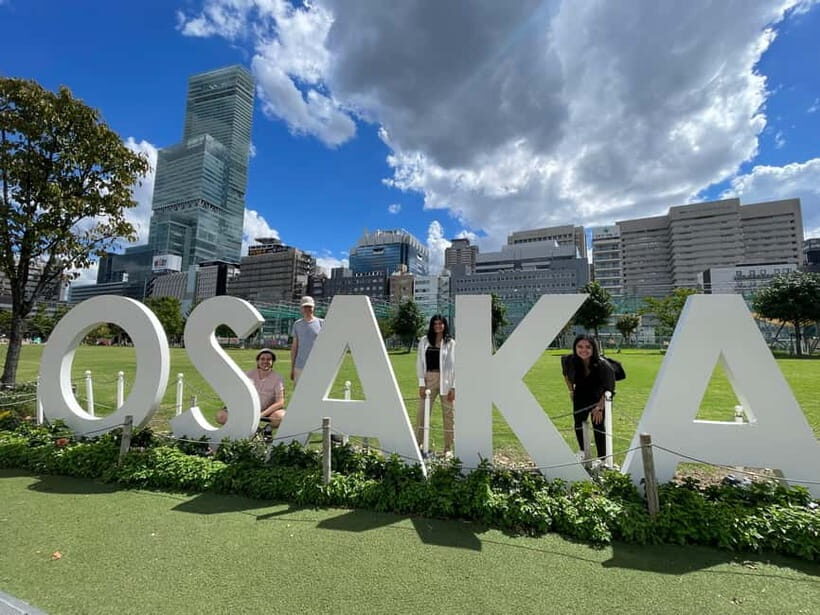
- Small group (max 8) means more guide talk time and easier pacing
- Helmet and bike rental included so you can travel light
- Nakanoshima Island adds a calmer, European-style waterfront break from the city rush
- Lunch at a guide-favorite local eatery with enough local food to feel like Osaka, not a tourist menu
- Osaka Castle + Shin-Sekai lets you see both the formal landmark side and the street-level personality
- English live guide (names you may hear include Matt, Joel, and Danyk) who can turn landmarks into context fast
Why biking makes Osaka feel different (and more personal)
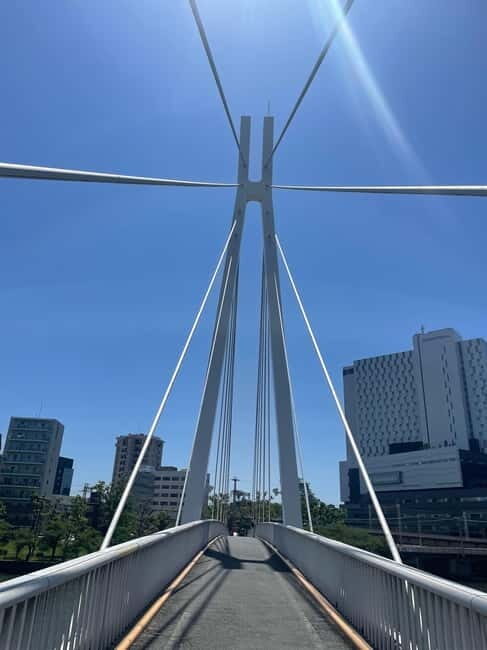
Osaka is great on foot, but a bike tour changes the pace in a good way. You still get street views and local rhythms, but you don’t burn the day zigzagging between neighborhoods. With a guided route, you also avoid the common first-day problem: seeing a few big sights without understanding how they connect.
This tour is built around a smooth “day arc.” You start with a civic landmark, move through scenic waterways, then head toward the more famous south Osaka districts. By the time you reach Shin-Sekai and Tsutenkaku, you’ve already been given the city background that makes the area click. And when Osaka Castle appears at the end, it lands as more than a photo stop. You understand why it matters.
The small-group size helps, too. With a limit of 8 participants, you’re not trying to filter through a crowd while your guide is speaking. You can actually ask quick questions, and you’re more likely to get helpful guidance on how to ride and where to look.
You can also read our reviews of more cycling tours in Osaka
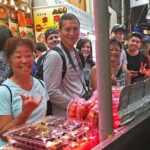
Meeting at Tenmabashi and getting rolling the right way
You meet about a 10-minute walk from Tenmabashi Station (Osaka Metro or Keihan line). It’s close enough to be easy, but far enough that you’re still responsible for getting yourself there. No hotel pickup means you’ll want to plan your transit before the tour.
Arrive 15 minutes early. That buffer matters with bike setup and helmet fitting, especially if you’re new to riding in a busy city environment. Comfortable shoes are worth it here; even with bike time, you’ll still have stretches on foot while entering sites and crossing between areas.
Also, the tour asks you to share group member heights and any dietary restrictions ahead of time. That’s not busywork. It helps the operator fit bikes properly and steer lunch toward what you can actually eat. If you have a strong dietary need, send that info early so they can handle it.
Japan Mint: starting with Osaka’s practical side
The ride kicks off at the Japan Mint, which is a smart first stop if you want more than just scenery. Osaka is known worldwide for food and nightlife, but the guide perspective brings in Osaka’s role in Japan’s broader story, including contributions connected to feudal Japan.
Why it works at the start: when you begin with a place tied to identity and national systems, your later sightseeing makes more sense. You’re not just chasing landmarks in a random order. You’re building a timeline and learning what Osaka does well beyond selling souvenirs.
From there, the route sets you up for an immediate shift from institutional space to neighborhood streets. That change keeps the day interesting instead of turning into one long “look at this, look at that” cycle.
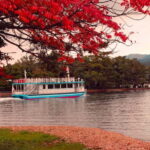
Nakanoshima Island: European-style buildings and gardens by the water
Nakanoshima Island is where the tour breathes. You’ll cruise past European-style buildings and gardens, and the setting gives you a real change of mood compared with the more packed streets later on.
This is a key part of the value of a bike format. On a bike, you can actually enjoy the view while still moving. On a walking-only route, you might feel the day dragging between attractions. Here, Nakanoshima gives you an easy rhythm: ride, look, stop briefly as your guide points out what makes the area distinctive.
It’s also a strong photo area. Even if you don’t love taking pictures, you’ll appreciate the open space and calmer pacing. It’s the moment where the tour stops feeling like a checklist and starts feeling like a day in the city.
Lunch at a local eatery: how to get your money’s worth
Lunch is one of the tour’s biggest strengths. It’s included, it’s at a guide-recommended local eatery, and it’s built around trying authentic Japanese food instead of eating whatever happens to be closest to a tourist route.
One review specifically called out Japanese curry as delicious, which matches the kind of comfort-food style many people associate with Osaka. Even if your lunch isn’t curry, you can expect a meal that’s local, simple, and satisfying—something you’ll remember because you ate it as part of the neighborhood flow, not as a detour.
Practical tip: be sure you share dietary restrictions ahead of time. The operator asks for it, so use the system. If you’re dealing with allergies, vegetarian needs, or religious restrictions, tell them clearly. That’s the difference between a lunch that’s smooth and one that slows the day down.
Also note: water is included. In summer heat, that matters more than you’d think. You can focus on the ride and the sites, not the logistics.
You can also read our reviews of more tours and experiences in Osaka
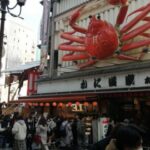

Oldest temple stop and Tsutenkaku: two landmarks that anchor the story
After lunch, the tour moves into a sequence that ties together Japan’s deep tradition and Osaka’s signature attitude.
First, you’ll visit Japan’s oldest temple. Even without needing extra details, this stop gives you a meaningful cultural reset. Temples in Japan aren’t just architecture; they’re a whole system of practice and memory. Having a guide explain what you’re seeing turns the visit from “I stood in front of something old” into “I understand why it’s still here.”
Next comes Japan’s tallest building, which in this tour context points to Tsutenkaku Tower. This is Osaka’s more iconic, playful layer. It’s vertical, it’s distinctive, and it sets the stage for the surrounding neighborhood mood.
What I like about placing Tsutenkaku before Shin-Sekai: it acts like a landmark “pointer.” Once you’ve seen the tower, the streets around it feel legible. Your guide can then connect what you’re seeing on the ground with the bigger identity of the area.
Shin-Sekai by bike: street-level Osaka, with context
Shin-Sekai is where the ride becomes pure Osaka energy. You’ll enter the legendary neighborhood and pedal through the streets toward the area’s best-known and lesser-known stops.
The tour structure helps here: you don’t just get a simple route through famous streets. Your guide shares insights about the city’s history and culture, including points like Osaka dialect. That matters because Shin-Sekai isn’t just a photo zone. It’s a district with personality, and language and local culture help you read what you’re seeing.
This is also where the bike format shines again. Shin-Sekai can be a little confusing on foot if you’re trying to follow signs while reading storefront life. On a bike, you can keep moving while still noticing the details.
A small but important consideration: the day is about riding, not standing still. If you want lots of long indoor breaks or slow sightseeing, this style may feel a bit fast. But if you like momentum and conversation as you move, it’s a strong fit.
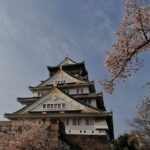
Osaka Castle at the end: the star of the show
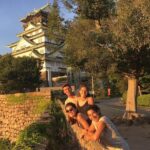
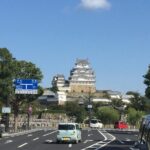
Then comes Osaka Castle, the “star of the show” and the final big visual payoff. Finishing with the castle is a smart choice. After the neighborhood experience, the castle doesn’t feel random. It reads like the formal counterpoint to the street-level Osaka you just rode through.
What to do with this stop: slow down a bit and let the scale sink in. Even if you’ve seen castle photos, seeing it in person changes the sense of place. Your guide’s earlier explanation of Osaka’s historical role makes the moment feel grounded, not just scenic.
Because this is the end of the route, you’ll also have the mental advantage of already understanding the city’s layout. You’re not trying to figure out where everything is. You’re recognizing it, and that makes the castle stop more rewarding.
Guide energy matters: Matt, Joel, and Danyk’s impact
A bike tour lives or dies by the guide. The best part here is that the tour doesn’t treat landmarks like bullet points. The guides bring the city’s past and present together with stories and food-focused context.
In the reviews, names like Matt and Joel show up as standout guides, with people praising how clearly they connect history and the feel of Osaka. Another guide name you may hear is Danyk, noted for keeping the tour lively while still informative. That mix is exactly what you want: humor and city vibes, plus real explanations that stick.
You’ll likely notice your guide paying attention to pace, too. One review mentioned a strong cycling experience that was doable even for a 70-year-old participant, which suggests the route isn’t built around racing. The goal seems to be steady, comfortable sightseeing rather than athletic performance.
Price and pace: is $103 good value for this Osaka route?
At $103 per person for about 330 minutes (roughly 5.5 hours), the value comes from what’s included, not just the sticker price.
Included items that change the math:
- Bicycle rental
- Helmet
- Local guide
- Lunch
- Water
When you add up the usual costs of bike rental and a guided experience, plus a real lunch in a local spot, you’re paying for a bundled day with fewer moving pieces. That’s also why the small group size matters: you’re not just buying transportation. You’re buying direction, explanation, and time.
The main cost you provide is effort and getting yourself to the meeting point. There’s no hotel pickup/drop-off, so factor in the time and transit planning from where you’re staying.
Now the pace reality check: you’re on a bike for a full half-day. If you’re not used to riding, this can feel like work by the end. The tour isn’t positioned for people who want gentle wandering only. It’s positioned for travelers who like to move and learn at the same time.
Who should book this Osaka bike adventure (and who shouldn’t)
This tour is a great fit if:
- You want a guided overview of central Osaka with major sights plus neighborhood flavor
- You enjoy bikes and want to cover ground without crisscrossing all day
- You care about food and culture and want your guide to explain what you’re eating and seeing
- You like small groups and English-speaking guides
It’s not a good fit if:
- You can’t ride a bike confidently
- You’re under 13 years old
- You’re pregnant (not suitable)
- You’re expecting lots of long stops and slow wandering
If you’re unsure, think about your daily comfort level. You don’t need to be a cyclist, but you do need to be comfortable staying seated, steering, and stopping and starting.
What to bring, what to skip, and what to prepare
Bring:
- Comfortable shoes (you’ll still be walking)
- Camera (there are several good photo moments)
- Comfortable clothes for riding and possible light weather
You also want to plan for day heat and sun. Water is included, but you’ll still feel the weather on a bike.
Skip:
- Smoking is not allowed.
Prepare:
- Share heights for fitting and dietary restrictions for lunch.
- You’ll be asked to arrive early enough to get ready smoothly.
If rain becomes a serious factor, the operator contacts you and offers a different date or a full refund. So you don’t have to panic-schedule your whole Osaka trip around one storm cloud.
Should you book this tour, or pick something else?
I’d book this Osaka bike adventure if you want a well-paced half-day that mixes famous sites like Osaka Castle and Tsutenkaku with neighborhood texture like Shin-Sekai, plus a genuinely local lunch. The included bike, helmet, guide, and food make the $103 feel more like a packaged day than a la carte sightseeing.
Skip it if your idea of a great day is mostly standing still and taking slow photos. This tour is about riding, moving, and hearing the city explained as you go. And if you don’t ride bikes well yet, you’ll feel it more here than on a walking tour.
If you’re comfortable on a bicycle and you like the sound of seeing Osaka’s stories in the order they unfold across the city, this is an easy yes.
FAQ
How long is the Osaka Bike Adventure with Lunch?
The tour lasts 330 minutes (about 5.5 hours).
What’s the meeting point for the tour?
You meet 10 minutes on foot from Tenmabashi Station (Osaka Metro/Keihan train).
What’s included in the price?
It includes bicycle rental, helmet, local guide, lunch, and water.
Is the tour guided in English?
Yes. The live tour guide is English.
What are the age and riding requirements?
The minimum age is 13 years. It’s not suitable for people who can’t ride a bike, and it’s also not suitable for pregnant women.
What should I do about dietary restrictions?
You should provide dietary restrictions before the tour so the lunch can be planned for your group.