Osaka clicks fast when someone local sets the pace. This private walking tour guides you through the city’s big sights and the side streets locals actually use, with an itinerary tailored to your interests and time. I really love the stop-and-explain style here, especially around Hozenji Yokocho, where you can feel old Osaka in a few steps. I also like the market-to-neighborhood flow, from Kuromon Market’s street food energy to Shinsekai-style local culture. One heads-up: if you want only historical landmarks, you’ll need to say that clearly, because the route can skew more lifestyle and food-focused.
The guide matching is a big part of the value. You’re matched to a local guide based on your interests and personality, and the experience can feel like having a friend who knows where to walk next. Past guests praised guides like Maria for being patient and giving time for photos, Boris for his knowledge, Antoine for being flexible and fun, and Kieran for good advice. The main drawback to consider is that ticketed sights, food, and transit costs aren’t included, so you’ll want a little money set aside once the route starts moving.
In This Review
- Key things that make this tour work in Osaka
- Private guide matching: getting the Osaka you actually want
- Timing and pace: 2–8 hours and how to choose the length
- Namba to Kuromon Market: street-level Osaka and real food energy
- Hozenji Yokocho: retro alleys you can actually feel
- Sennichimae Kitchenware Street: the shopping mission people forget
- Soemon-cho and the 400-year feel: old entertainment with modern street life
- Den-Den Town: Osaka for camera, computer, and pop-culture nerds
- Dotonbori and the Ebisu-bashi Bridge lights: the iconic Osaka moment
- Shinsaibashi and America-mura: youth style after the spectacle
- Price and logistics: is $67 worth it?
- What to ask your guide so the day lands right
- Who this tour is best for (and who should pick something else)
- Should you book this Osaka highlights and hidden gems walking tour?
- FAQ
- How long is the Osaka Highlights & Hidden Gems private walking tour?
- Is this tour private or shared?
- What’s included in the price?
- What’s not included?
- What languages are available?
- Will the itinerary match the listed places exactly?
Key things that make this tour work in Osaka
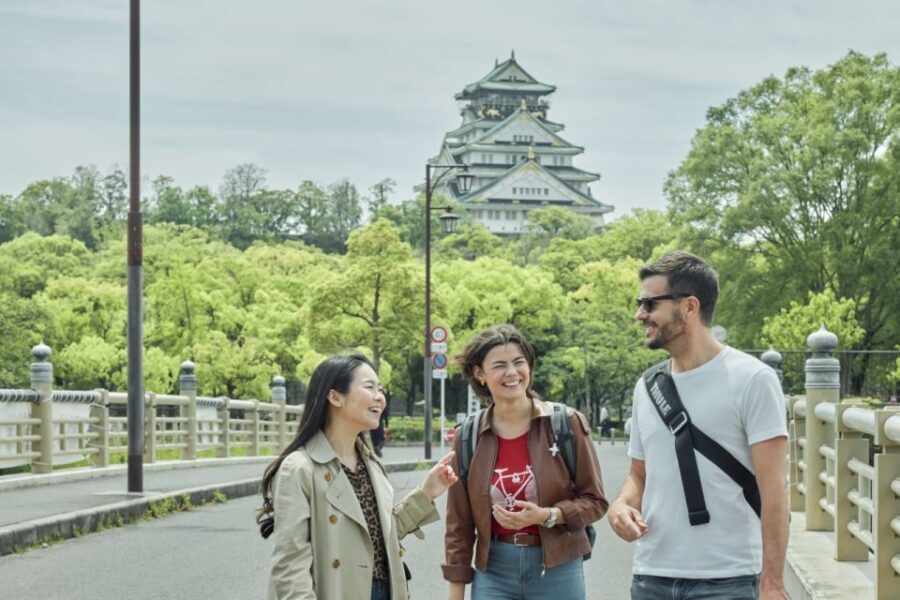
- A private guide matched to your interests so the day doesn’t feel like a one-size route.
- Hozenji Yokocho for old-school Osaka vibes: stone paving, long-running bars, and that retro atmosphere.
- Kuromon Market stops where you can watch vendors cook and browse a huge range of food and supplies.
- Den-Den Town for gadget and pop-culture browsing if you like cameras, games, and anime-adjacent shops.
- Dotonbori at night-light speed with iconic sights like the Glico Running Man above Ebisu-bashi Bridge.
- Flexible duration (2 to 8 hours) so you can go short-and-sweet or do a bigger neighborhood sweep.
Private guide matching: getting the Osaka you actually want
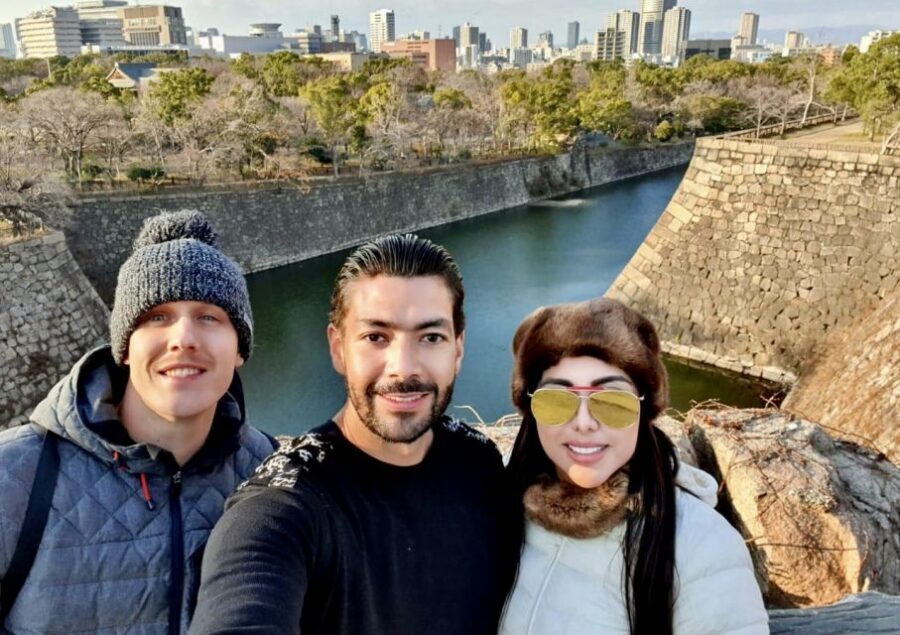
The biggest advantage is that you’re not just buying a route—you’re buying a guide. After booking, the operator team contacts you, and your host plans the itinerary based on the number of hours you booked and your preferences. The sites you see may differ from what’s listed, which sounds vague until you realize it’s the point: Osaka changes by neighborhood, and a good guide chooses the right mix for your day.
This is also why the tour is rated so well. In the reviews, Maria stood out for taking her time, staying patient with photos, and managing hot-weather comfort during the day. Boris came up repeatedly for knowledge and confidence on the ground. Antoine was praised for being easy-going and flexible with pacing, and Kieran for fun, practical info. You don’t need a lecture—what you want is someone making smart choices while you focus on walking, eating (if you choose), and looking.
If you’re the type who likes photos, ask for photo-friendly pacing early. If you want fewer markets and more temples, say so. If you’d rather focus on food streets and local hangouts, also say so. This tour works best when you steer the guide.
You can also read our reviews of more walking tours in Osaka

Timing and pace: 2–8 hours and how to choose the length
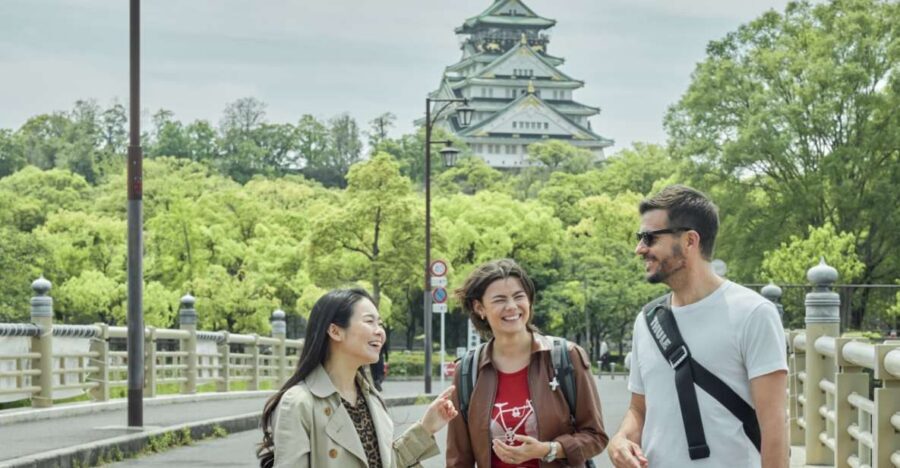
Osaka is spread out. If you only have a short window, you’ll want to prioritize what you care about most, because the day’s flow depends on time.
Here’s a practical way to think about it:
- For 2 hours, aim for one main zone plus a couple of targeted stops. You’ll get orientation and a strong taste of the city, without trying to cover everything.
- For 4–5 hours, you can usually fit a market stop, a retro lane, and one major sightseeing stretch like Dotonbori.
- For 6–8 hours, you can add neighborhoods such as Den-Den Town and spend more time in shopping-and-wandering areas like Shinsaibashi and America-mura.
Even within the same “highlights” umbrella, you can easily feel rushed in Osaka if you pick a too-long day. The private format helps because the guide can adjust pacing to weather, energy, and what you want to photograph.
Namba to Kuromon Market: street-level Osaka and real food energy
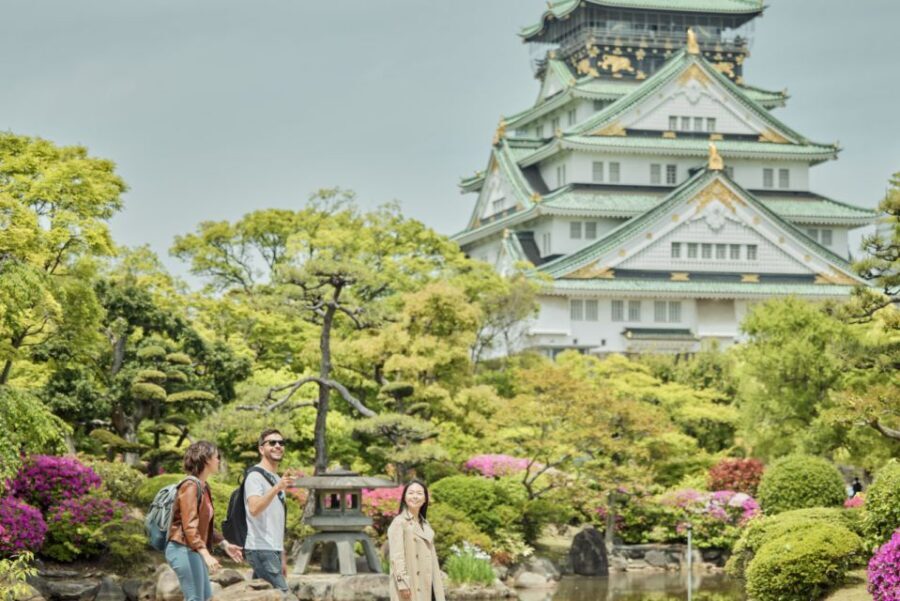
Most good Osaka days start in the entertainment gravity of Namba. You’ll hop on the train to get there, then step into a part of the city that’s built for constant movement—locals out after work, shoppers weaving through crowds, and neon keeping the mood high.
From Namba, you head toward Kuromon Market, a covered area packed with shops and vendors. This is where the guide adds real value. Instead of you trying to figure out what’s worth it, the guide helps you target what looks good and what’s typical.
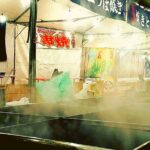
You can usually point out the kind of seafood you’re curious about, from scallops to sea urchin, and watch vendors cook in front of you. The practical win: you learn what to look for and how to order or interact, even if your Japanese is basic. You also get a sense of what locals buy, not just what’s designed for tourists.
Possible drawback: markets can be hot and crowded. If you’re sensitive to heat, bring water and consider a hat. And if you don’t plan to eat much, you might focus more on browsing and photo moments, since food and drinks aren’t included.
Hozenji Yokocho: retro alleys you can actually feel
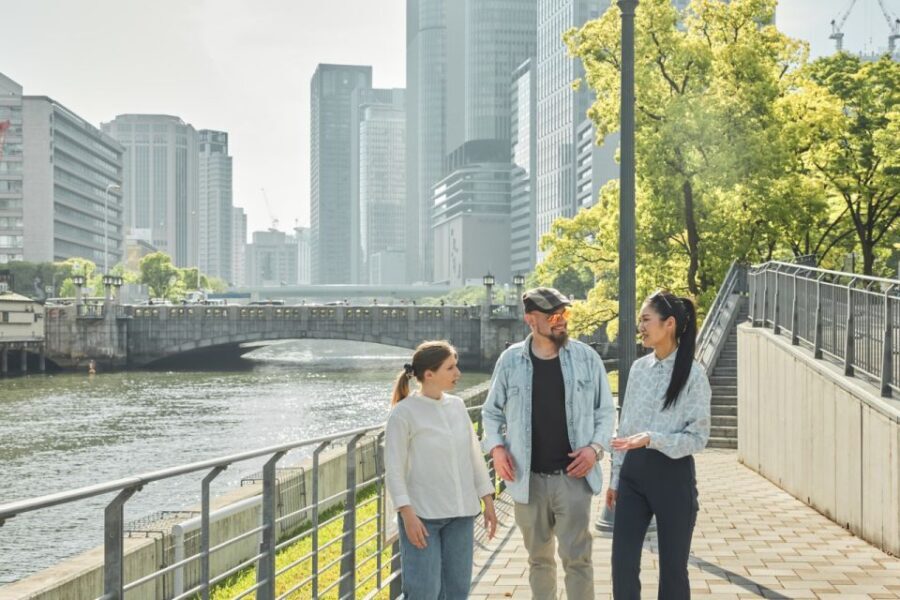
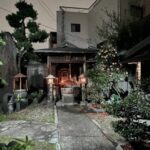
After the big energy of Namba and Kuromon, Hozenji Yokocho is a breather that doesn’t feel staged. This is a stone-paved lane filled with long-standing Japanese bars and restaurants. Even when you’re standing still, you can picture the rhythm of locals lingering here.
What makes it special isn’t just the look—it’s how the alley changes the sound and pace of your day. The guide can explain why this kind of lane matters in Osaka culture and how locals relate to places like this. It’s also one of the best spots for photos because the environment is made for walking slowly and noticing details.
If your ideal Osaka is all classic sights only, you may want more temple-time instead of alley-time. But if you want the daily texture of the city, this stop delivers.
Sennichimae Kitchenware Street: the shopping mission people forget
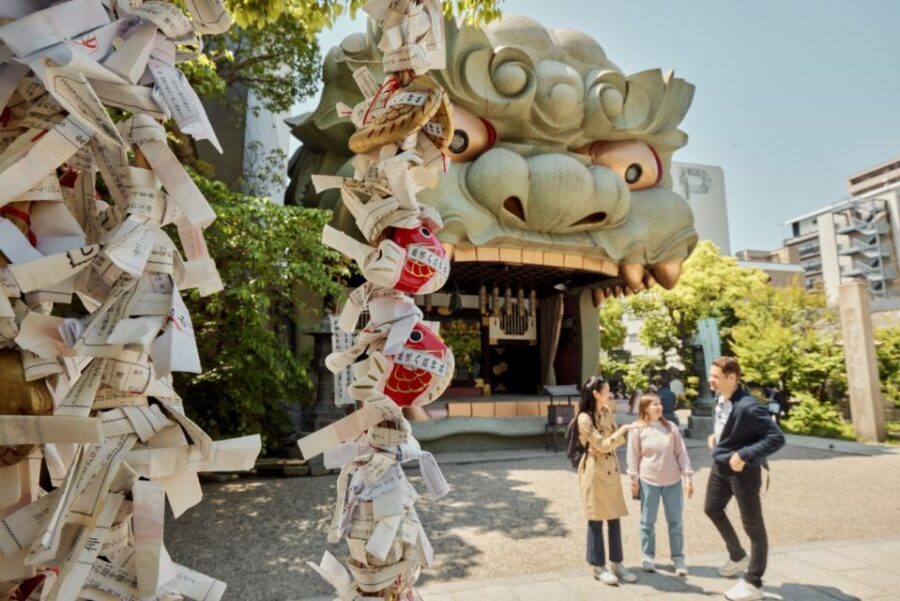
Sennichimae Kitchenware Street is exactly what it sounds like: a street dedicated to kitchen utensils and food supplies. If you like practical souvenirs—things you can use when you get home—this is a fun detour.
This stop works because it’s not “tourist merch.” You’re browsing tools and supplies that make sense in everyday life. Even if you don’t buy anything, you’ll come away with a clearer idea of what Japanese kitchens value, from cookware types to everyday essentials.
Two practical notes:
- It’s shopping, not sightseeing, so you’ll enjoy it more if you like browsing.
- You’ll want to think about carrying items, since you’ll be on foot and possibly using transit during the day.
You can also read our reviews of more private tours in Osaka
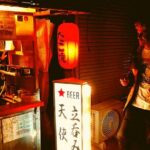
Soemon-cho and the 400-year feel: old entertainment with modern street life
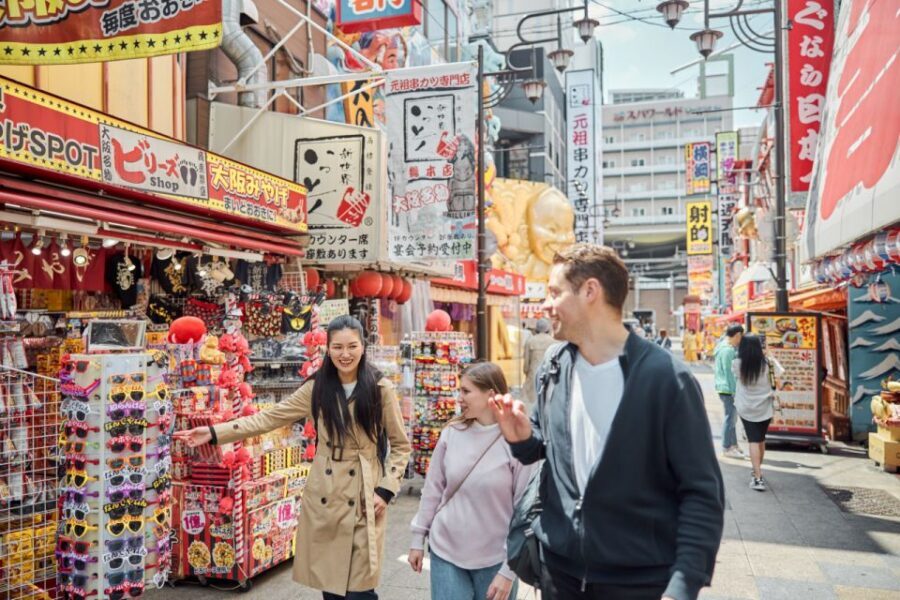
The route can also include the Soemon-cho entertainment district, an area with more than 400 years of history. That number matters here because it tells you this isn’t a themed street that popped up for a single season. It’s a place where the “going out” habit has deep roots.
What you gain with a guide is context. You can watch the neighborhood’s energy and still understand what makes it historically significant. Without that, it can feel like you’re just walking past bars and signs.
The possible drawback is simple: if you’re hoping for famous monuments and museum-level history, this area may feel more social and street-oriented than “grand landmark” focused.
Den-Den Town: Osaka for camera, computer, and pop-culture nerds
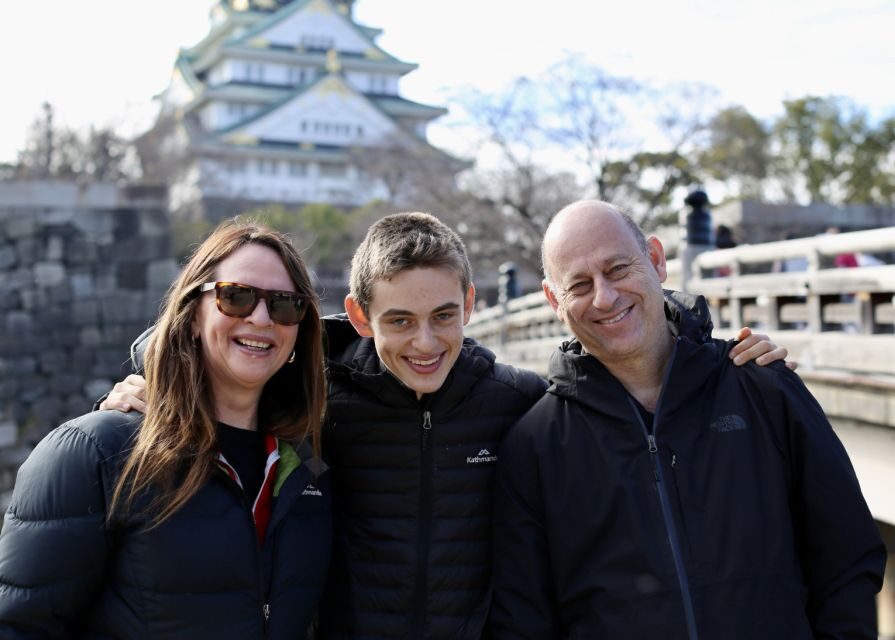
If you like technology or games, Den-Den Town is a favorite Osaka zone. It’s the right place to geek out over cameras, computers, pop culture, games, and anime-related shopping.
Even if you’re not buying, this is a great “Osaka personality” stop. It’s playful, a little chaotic, and deeply specific—exactly the kind of neighborhood that makes you feel you’re seeing a city beyond the postcard.
Why the guide helps: shop layouts and what’s worth checking varies fast. A guide can point out what to look for and which streets tend to match your interests. This is also a good spot to ask questions like what’s popular locally versus what’s mainly imported.
Dotonbori and the Ebisu-bashi Bridge lights: the iconic Osaka moment
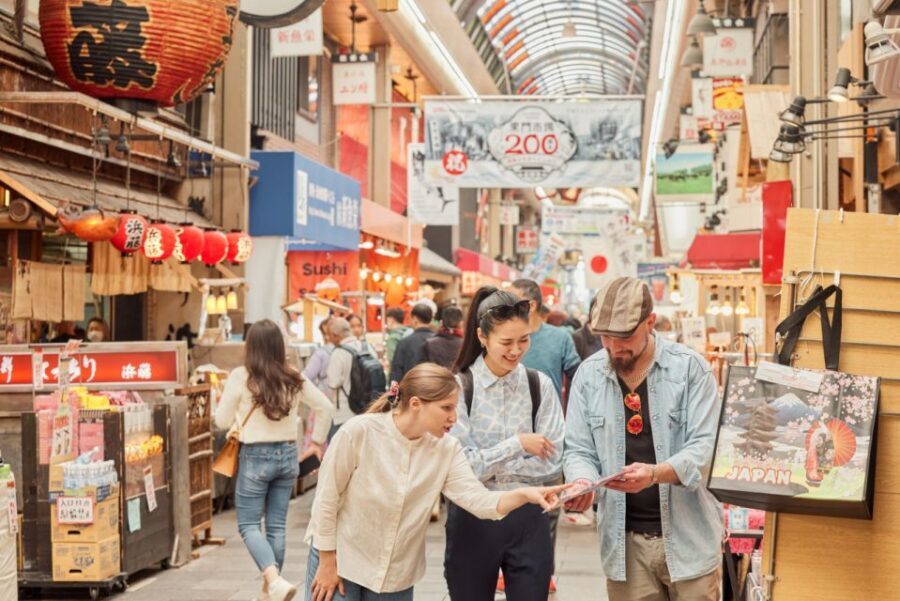
Then comes the big visual hit: Dotonbori. This is the area where the signage is oversized, the lights are constant, and food culture takes center stage. It’s not subtle, and that’s why it’s so memorable.
A must-see here is the Glico Running Man above Ebisubashi Bridge. It’s one of those images you’ve probably seen online, and seeing it in person hits different because of the scale and the surrounding noise.
The practical value of a guide in Dotonbori is timing and walking strategy. You want to see the lights without spending your whole day stuck in foot traffic. The guide helps you move along the canal-side entertainment zone and then transition to nearby areas without backtracking.
If you don’t like crowds or bright neon, you might not love staying too long in Dotonbori. You can still get the key photos and then move on.
Shinsaibashi and America-mura: youth style after the spectacle
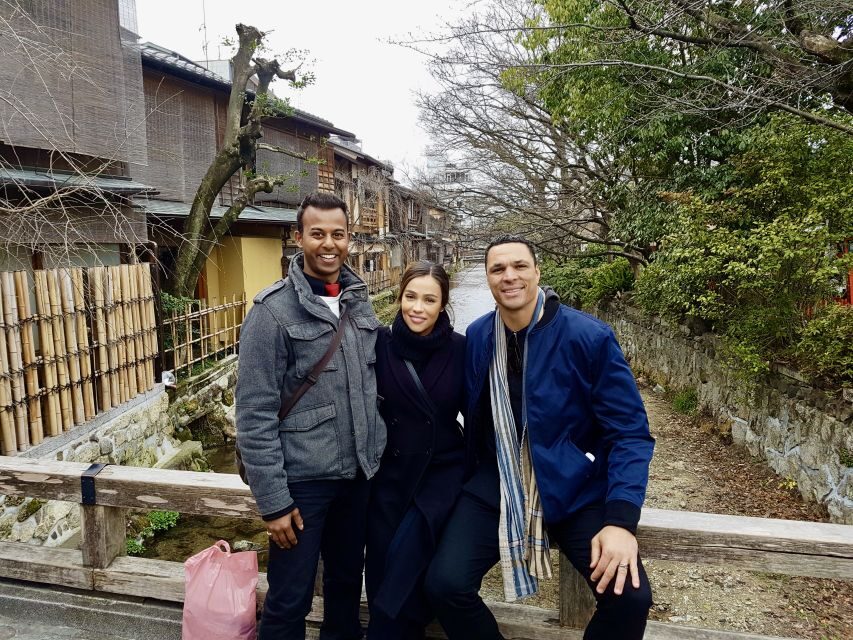
After Dotonbori, the tour often continues toward Shinsaibashi and America-mura, a more youth-oriented creative area. This is where you trade the heavy neon “food street” vibe for retro stores, independent galleries, and cool cafés.
This part of the route is great for finishing the day because it gives you choice. If you want souvenirs, you can browse. If you want a calmer coffee stop, it’s easier to find. If you just want to walk and people-watch, the streets are made for that.
Don’t expect the same historic “wow” feeling as the older lanes. Think of it as Osaka’s stylish aftertaste—still local, just more fashion and design.
Price and logistics: is $67 worth it?
At $67 per person, the big question is what you’re getting besides walking.
Here’s the honest value breakdown:
- You get a private guide matched to you, not a generic group narration.
- You get help choosing stops that fit your interests, plus recommendations for the rest of your stay.
- You get structure in a city that can feel like sensory overload.
What’s not included matters. Food and drinks are on you, entrance tickets aren’t included, and transportation isn’t included. That means your final day cost depends on what you eat, whether you choose ticketed attractions, and how much transit you use.
But that’s also why it can be good value. You’re not paying for things you might not want. You’re paying for guidance, pacing, and cultural context—then making your own choices for meals and any paid entry spots.
Quick budgeting tip: plan on buying at least one snack or small meal in Kuromon Market if that’s your style. Even one food stop can make the day feel worth it in memory terms.
What to ask your guide so the day lands right
Since your itinerary is personalized, a few prep questions can save time and prevent disappointment:
- Do you want more history-heavy sightseeing, or more local neighborhoods and food streets?
- Any walking limits? Osaka is walkable, but a private tour still moves.
- Are you more interested in shopping (kitchenware, pop culture, electronics) or food experiences?
- Do you prefer photo time, and how many stops are you comfortable with?
- Any areas you want to include, like Shinsekai for the local-loving Osaka vibe?
This isn’t just “nice to have.” In the feedback you get from real guests, the tours that land best are the ones where the guide’s plan matches the guest’s idea of what Osaka should feel like.
Who this tour is best for (and who should pick something else)
This Osaka private walking tour is a strong fit if you:
- want a custom route instead of a standard checklist,
- like mixing famous spots with neighborhoods locals actually use,
- care about street culture, food markets, and retail browsing,
- enjoy having time to ask questions and get practical advice.
You might choose another format if you:
- only want ticketed attractions and major museums,
- want a fixed, heavily historical route with zero food/market focus,
- prefer group tours for cost reasons.
The private setup solves a lot, but it still works best when you steer it.
Should you book this Osaka highlights and hidden gems walking tour?
If you want to feel oriented fast—without losing the local details—this is a smart booking. The guide matching, the mix of markets, retro lanes, neon landmarks, and neighborhood shopping gives you a day that feels like Osaka rather than a travel brochure.
Book it especially if you like streets, signs, snacks, and side alleys. Skip it only if you want a strict museum-and-monument day with no flexibility. If you do book, send clear preferences when you’re contacted, and you’ll get a route that makes sense for your kind of trip.
FAQ
How long is the Osaka Highlights & Hidden Gems private walking tour?
The duration is flexible, running from 2 up to 8 hours. You can check availability for starting times and choose the length that fits your schedule.
Is this tour private or shared?
It’s a private group tour. Private groups are normally no larger than 6 persons.
What’s included in the price?
The tour includes a tour guide, a hotel meet-up from a central location if requested, and recommendations for the rest of your stay.
What’s not included?
Food and drinks, entrance into ticketed attractions, and transportation are not included.
What languages are available?
The live tour guide is available in English and Japanese.
Will the itinerary match the listed places exactly?
Not always. The itinerary is personalized based on how many hours you booked and your preferences, and the places you visit may differ from the examples provided.