REVIEW · OSAKA
Osaka Small Group Sashiko Japanese Craftmanship Workshop
Book on Viator →Operated by Pinpoint Traveler, Inc · Bookable on Viator
Stitching has a story behind it. In Osaka, this small-group Sashiko workshop turns a couple of hours into a hands-on lesson on Japanese stitching and the meaning inside the patterns. You learn the technique, then create a finished item you can take home, guided in English by Jun.
I love the calm, patient instruction from Jun and the fact that you leave with a completed Sashiko piece (often a coaster). The workshop also gives you cultural context, so the stitching doesn’t feel random or purely decorative.
One consideration: it’s about 2 hours, so it’s great for learning fundamentals, but it’s not the kind of long, advanced training you might want. Also, you’re responsible for your own transport to the venue.
In This Review
- Key things to know before you go
- Sashiko Basics in 2 Hours: what you’re really learning
- Meet Jun at the Osaka meeting point (and what that means for your time)
- The Edo-era history piece: why pattern meaning matters
- How the basic stitching lesson works (so you can actually follow along)
- Your finished project: what you take home and how to use it
- Small-group vibes in an Osaka craft setting
- Shopping corner tips: threads, kits, and JunAle goods
- Price and value: is $68.29 per person worth it?
- Practicalities: timing, weather, and getting there
- Who this workshop is best for (and who might want something else)
- Should you book Osaka Small Group Sashiko Japanese Craftmanship Workshop?
- FAQ
- Where does the Sashiko workshop take place?
- How long is the workshop?
- How much does it cost?
- What group size should I expect?
- Do I need to bring tools or materials?
- What do I make during the workshop?
- Is the instruction available in English?
- How do I get there?
- Does the activity require good weather?
- What is the cancellation policy?
Key things to know before you go
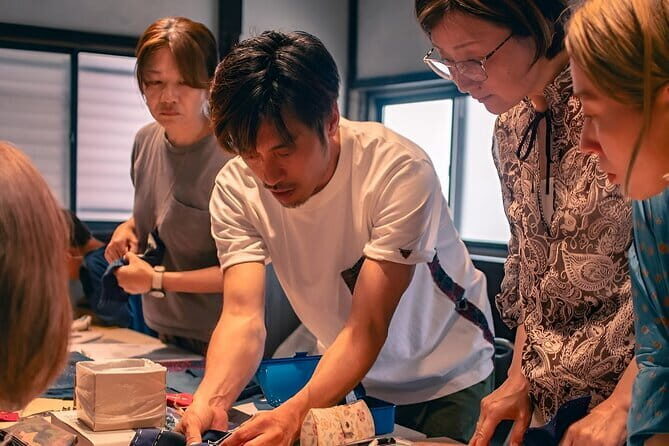
- Small group size (max 8) keeps the pace friendly and the questions practical
- English guidance makes the technique easier to follow step-by-step
- Edo-period history plus pattern symbolism helps you understand what you’re stitching
- All tools and materials are provided, so you can show up and start
- A take-home finished item means your time ends with something usable
- Nearby shopping corner offers sewing kits, hand-dyed threads, and JunAle goods, with cash discounts
Sashiko Basics in 2 Hours: what you’re really learning
This workshop is built around fundamentals, delivered in a way that you can actually use right away. You’ll start with a short introduction to Sashiko—what it is and where it came from—then move into basic stitching you can repeat with confidence.
Sashiko literally translates to little stabs, and that description fits the motion: controlled, regular stitchwork that builds clean geometric lines. The workshop doesn’t rush past the why. Understanding the origin helps you stitch with more intention, not just copy what your hands do.
In practical terms, you should expect a step-by-step rhythm: quick history, a demonstration of basic stitches, then guided practice while you make your own item. If you like crafts that combine technique and meaning, this is the sweet spot.
You can also read our reviews of more tours and experiences in Osaka


Meet Jun at the Osaka meeting point (and what that means for your time)
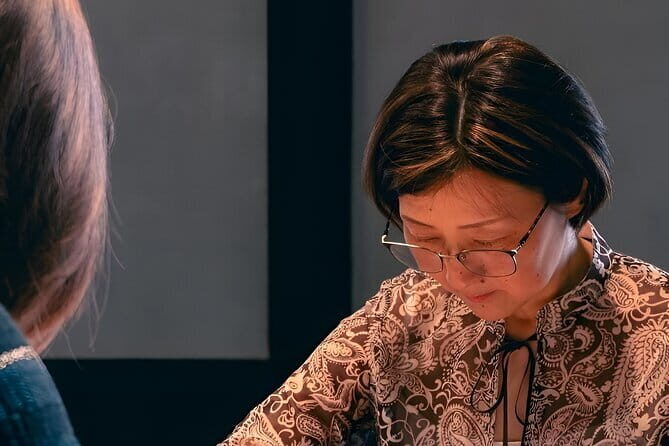
Your workshop meets at 1-chōme-4-18 Shigita, Joto Ward, Osaka (536-0015), and it ends back at the same place. Since it’s near public transportation, you won’t have to build your day around a complicated last-mile plan—just give yourself enough time to arrive a bit early.
The experience is capped at 8 travelers, which matters more than it sounds. With a small group, the instructor can slow down when someone needs help with tension, alignment, or where the next pass should land. You also get a calmer atmosphere than you would in a larger class.
You’ll be working in a guided setting, not wandering through a museum-style explanation. That’s the point: you’re there to stitch, and the teaching is structured to support that.
The Edo-era history piece: why pattern meaning matters
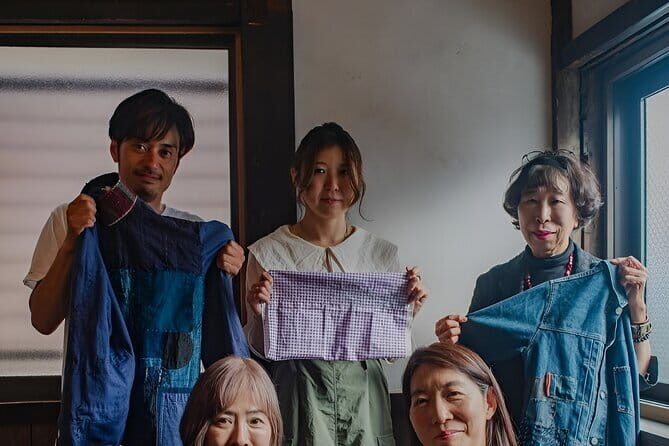
Sashiko’s roots go back to the Edo period (1603–1868). It began as a practical method to reinforce and insulate clothing, which means the art grew out of everyday usefulness. Over time, it evolved into something celebrated—still functional in spirit, but now also artistic and symbolic.
In the workshop, you’ll learn about the history and the significance behind patterns. That’s where your piece starts to feel personal. When you know what certain designs represent, your completed item stops being a souvenir and becomes something with context.
Look at it this way: stitches are physical, but symbols are emotional. Even if you only make a small coaster, you’re participating in a craft tradition where the geometry isn’t random. It’s chosen, repeated, and carried forward.
How the basic stitching lesson works (so you can actually follow along)
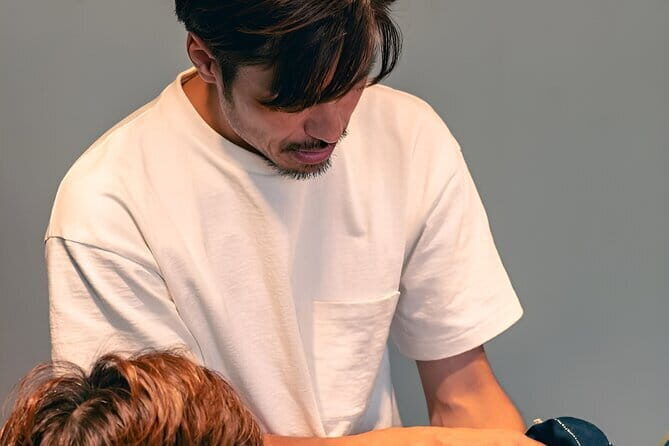
The workshop starts with an overview, then a demonstration of fundamental Sashiko stitches. You’re guided on how to create precise, geometric stitching on fabric, with an instructor who can correct details as you go.
A useful expectation here is pacing. Sashiko is all about consistency—stitch length and spacing must stay even to keep the pattern clean. In a small class, you can get feedback quickly, instead of waiting until the end to learn what to fix.
You’ll also be taught how to work with the tools and materials provided. Since all necessary tools and materials are included—fabric, needles, threads, and other Sashiko-specific items—you don’t need to hunt down supplies ahead of time. This is one of those rare workshops where the “prep work” happens for you.
Your finished project: what you take home and how to use it
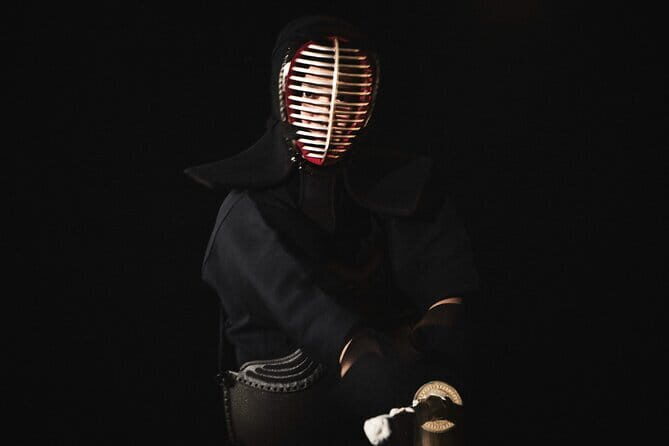
You’ll leave with a completed Sashiko project. The workshop commonly results in an item like a coaster, but the key point is that you finish what you start and take it home.
That matters for two reasons. First, finishing during the session means you avoid the common craft-class problem of half-finished work that you never complete. Second, having a usable item helps you remember the technique, not just the story.
After the workshop, you’ll be able to look at your stitching and understand the structure: how the pattern repeats, how the spacing creates the visual rhythm, and why the design reads as geometric. If you’re a beginner, that’s empowering. If you already stitch, it gives you a cultural approach to add to your skills.





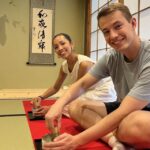
Small-group vibes in an Osaka craft setting
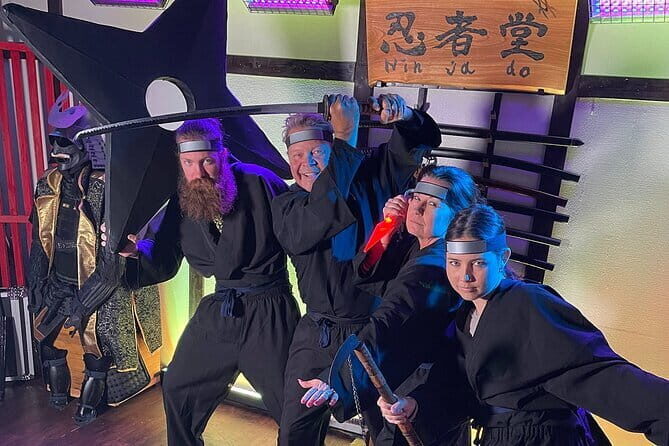
This is the kind of activity that fits naturally into an afternoon. The vibe is relaxed, and because the group is small, the instructor can keep things friendly and practical. You’re not competing for attention or trying to learn from a distance.
Also, the teaching style matters. Jun is described as patient and professional, and that shows up in the way a class feels. You’re guided through the basics, not left to figure it out while people move on.
The best part of a craft workshop like this is often the in-between moments: the focus when you’re working, the questions when something doesn’t line up, and the quiet satisfaction when you see your pattern forming. With eight people max, those moments feel personal instead of rushed.
Shopping corner tips: threads, kits, and JunAle goods
Right near the workshop area, there’s a small shopping corner. It sells JunAle original goods, sewing kits, hand-dyed threads, and clothing, with discounts available for cash payments.
Even if you’re not planning to buy anything, it’s worth a quick look. Seeing the threads and kits helps you connect what you learned to what you can do next. If you want to continue Sashiko after today, this corner gives you an obvious next step.
If you do purchase, consider using what you bought right away. A simple kit plus the technique you practiced during the session can turn this into a real hobby, not a one-and-done souvenir hunt.
Price and value: is $68.29 per person worth it?
At $68.29 per person, the value comes from what’s included and what you leave with. You get the instructor-led lesson in English, the cultural context (history and pattern meaning), and everything you need to stitch. You also take home a completed item, which is usually the moment most classes can’t guarantee.
Two things are driving the cost here: specialized teaching and included materials. Sashiko isn’t a craft where you can easily cut corners on supplies if you want a clean result. The workshop provides tools and fabric so you can focus on technique instead of logistics.
Compared to paying for a longer course, this is short—about 2 hours—but that’s also what makes it accessible. If you’re trying Sashiko for the first time, a short guided session with take-home results is a smart way to test your interest without committing to a big time block.
Practicalities: timing, weather, and getting there
The workshop lasts about 2 hours. You should plan your day around that window and avoid stacking too many activities back-to-back, because stitching takes focus.
Confirmation happens at booking time, and the experience uses a mobile ticket. Since it’s near public transit, you’ll likely find it easy to fit into your Osaka schedule, but you still need your own transport to reach the venue.
One practical note: the experience requires good weather. If weather cancels the workshop, you’ll be offered a different date or a full refund. That’s worth factoring if you’re building your schedule tightly around one day.
Who this workshop is best for (and who might want something else)
This is a great fit if you want:
- a hands-on craft with cultural context
- guidance that works well for beginners
- a small-group class with a calm pace
- a finished item to take home
It’s also appealing if you already enjoy stitching and want to learn how Japanese tradition informs pattern choices and technique. Even with basic instruction, Sashiko’s logic is structured, and that structure is satisfying.
If you’re looking for an advanced, hour-after-hour technical course or want to specialize in complex patterns, this may feel too brief. But if your goal is fundamentals plus meaning, it’s exactly the right length.
Should you book Osaka Small Group Sashiko Japanese Craftmanship Workshop?
If you’re in Osaka and you like experiences where your hands learn something real, I’d book this. The combination of English instruction, small group size (max 8), and a finished take-home item makes it feel both personal and practical. Add the Edo-period background and pattern symbolism, and you get more than a craft lesson—you get a way to understand what you’re doing.
Before you decide, think about your schedule. Two hours is perfect for a crafty afternoon, but it’s not a multi-day course. If that time frame works for you, this workshop offers strong value for the included tools, guidance, and cultural depth.
If your day is already packed, prioritize this one if you want a calmer, slower activity that ends with something you can use later. If you want only a quick photo stop, you might be better with a different style of experience.
FAQ
Where does the Sashiko workshop take place?
The meeting point is 1-chōme-4-18 Shigita, Joto Ward, Osaka, 536-0015, Japan.
How long is the workshop?
It lasts about 2 hours.
How much does it cost?
The price is $68.29 per person.
What group size should I expect?
The workshop has a maximum of 8 travelers.
Do I need to bring tools or materials?
No. All necessary tools and materials are included (fabric, needles, thread, and other Sashiko-specific tools).
What do I make during the workshop?
You’ll make a completed Sashiko project that you can take home, such as a coaster.
Is the instruction available in English?
Yes. English is offered.
How do I get there?
Transportation to the venue is not included, so you’ll arrange your own travel. The meeting point is near public transportation.
Does the activity require good weather?
Yes. The experience requires good weather. If it’s canceled due to poor weather, you’ll be offered a different date or a full refund.
What is the cancellation policy?
You can cancel for a full refund if you cancel up to 24 hours in advance of the experience start time. If you cancel less than 24 hours before, you won’t receive a refund.