REVIEW · OSAKA
Private Japanese Cooking Class in Osaka with Culinary Expert Yoko
Book on Viator →Operated by Traveling Spoon · Bookable on Viator
A home kitchen beats a studio class every time. This private Osaka experience with Yoko blends restaurant-level food with real technique, from seaweed and dried fish to live cooking and a shared meal. You’ll also start with a small walk through her neighborhood, so you’re not just eating Japanese food—you’re meeting Japanese everyday life.
I like that it’s private and taught in a real home, not a commercial classroom. I also like the built-in structure: you get demo time plus hands-on prep so you actually learn how dishes come together, then eat what you make. The one thing to keep in mind is that you’re on your feet in a home kitchen for a couple hours, and the exact menu shifts by season, so you’ll want to treat the dish list as flexible.
In This Review
- Key Points Worth Your Time
- Meeting Yoko in Osaka: Shoes Off, Welcome In
- Neighborhood Walk: Why the Start Matters for Your Dinner
- The Home Kitchen Setup: Slippers, Aprons, and Real Guidance
- Hands-On Cooking: How You Learn Five Dishes (Without Getting Lost)
- What You’ll Cook and Eat: Sushi, Pancake, Fried Chicken, and More
- Ingredient Focus: Seaweed and Dried Fish Actually Make Sense
- Sake Tasting and Dinner Flow: A Thoughtful Pace
- Private and Personalized: The Real Value of a Home Visit
- Price and Value: What $182 Really Buys You
- Who Should Book This Cooking Class (and Who Might Skip)
- Quick Tips to Get the Most Out of Your Evening
- Should You Book Yoko’s Osaka Cooking Class?
- FAQ
- Where is the meeting point, and is there pickup?
- How long does the class last?
- Is the cooking class hands-on or mostly demonstrations?
- What will I eat during the meal?
- Can you accommodate vegetarian or vegan diets?
- Do I get anything I can use later at home?
- What happens if I need to cancel?
Key Points Worth Your Time
- Private home setting near Osaka Castle: slippers on arrival, shoes off, and a local neighborhood intro before cooking starts.
- Chef-led and technique-focused: you’ll get an explanation of methods and tastes, not just a list of steps.
- Five classic specialties, with hands-on for three: demos for some dishes, then your own cutting and cooking for others.
- Ingredient learning you can reuse: you’ll see key items like seaweed and dried fish up close while making dishes.
- Sake tasting plus a sweet finish: a home meal that can include sushi, pancake, or fried chicken, and a green tea ice cream ending.
- Recipes to take home: you’re not just leaving full—you’re leaving with a way to cook again later.
Meeting Yoko in Osaka: Shoes Off, Welcome In
Your evening starts at Minami-Morimachi Station, where Yoko meets you and keeps things simple: you gather, then you head into her neighborhood together. This is one of those small touches that makes a cooking class feel like a cultural appointment instead of a booked activity. It also helps you get your bearings fast in Osaka before the kitchen chaos begins.
From there, you’ll go to a simple, clean apartment complex near Osaka Castle. You’ll notice how normal it all feels—no performance lighting, no set kitchen pretending to be local. And then comes the big etiquette moment: slippers are ready, because in Japan you remove your footwear when entering a home. It sounds minor, but it instantly sets the tone for respectful, comfortable hosting.
The practical side: you’re near public transportation, and the meeting point is straightforward. It also means you’re not stuck waiting for complicated hotel pickup. You’ll return to the meeting point at the end, which keeps the night easy to plan.
You can also read our reviews of more private tours in Osaka



Neighborhood Walk: Why the Start Matters for Your Dinner
That short neighborhood intro isn’t just for friendliness. It’s the reason this class feels connected to Osaka rather than generic Japanese cooking. You get a sense of what “local life” looks like in an area close to a major sightseeing magnet (Osaka Castle), without turning your evening into a sightseeing checklist.
I like that the pace is gentle at the beginning. You’re not rushing into the lesson right as you arrive hungry and tired. Instead, you meet Yoko, get a quick orientation, then shift into the food world with context.
One thing to expect: you’ll likely walk a little and move around. It’s a home visit with a cooking plan, so build in a bit of flexibility. If you’re coming straight from another part of Osaka, give yourself time so you’re not arriving stressed.
The Home Kitchen Setup: Slippers, Aprons, and Real Guidance
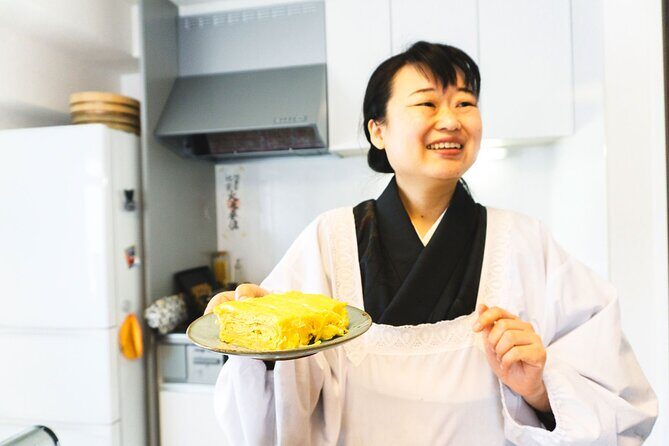
Once you step inside, Yoko’s teaching style kicks in right away. Before any cutting starts, she introduces Japanese cooking techniques and the tastes behind the dishes. That matters because Japanese cooking isn’t only about ingredients—it’s also about how flavors are balanced and how textures are built.
You’ll also get a guided look at key components used across the menu, including items like seaweed and dried fish. Seeing them in a home kitchen is one thing; learning what they do is another. You’ll start to understand why some flavors show up again and again in Japanese cooking.
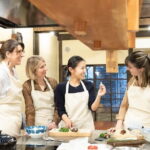
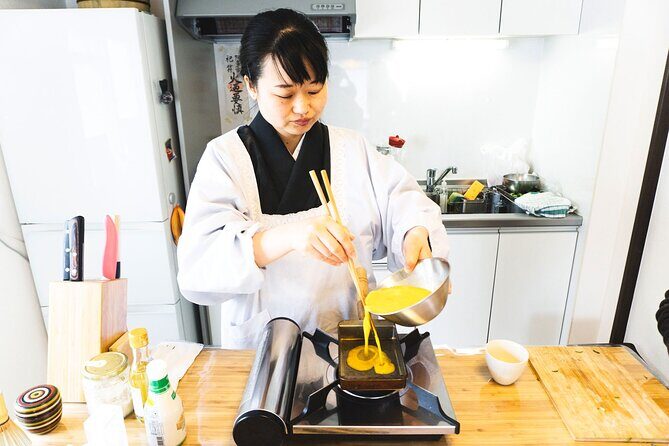
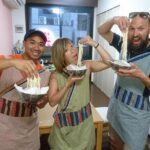
Then you’ll put on your aprons and roll up your sleeves. This is not a “watch from the sidelines” experience. Yoko handles some prep ahead of time so the class keeps moving, but you still get to do meaningful work—cutting and cooking—rather than just assembling final plates.
Hands-On Cooking: How You Learn Five Dishes (Without Getting Lost)
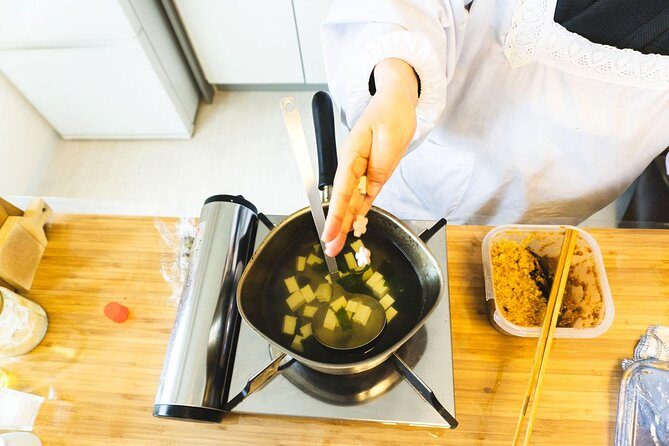
The class is a blend of live demonstration and hands-on instruction. Think of it like this: Yoko shows you how the steps should feel and look, and then you take over for parts where your hands matter.
Here’s the key detail: while the overall menu includes five different Japanese specialties, your hands-on cooking time includes preparing three dishes from scratch during the 1.5 hours of cooking. That structure is a sweet spot. You get enough instruction to avoid feeling lost, and enough practice to leave with confidence.
In practice, expect a rhythm:
- Yoko demonstrates and explains the technique.
- Some ingredients are prepped so you can focus on the cooking steps you need to learn.
- You do cutting, cooking, and finishing for your assigned dishes.
This also makes the experience easier for different skill levels. If you’re an absolute beginner, you’re following guidance. If you cook at home already, you still get fresh technique and seasoning logic that can tighten your results.
And yes, feel free to ask questions as you go. One of the best parts of a private class is that you’re not competing with a room full of strangers for attention.
What You’ll Cook and Eat: Sushi, Pancake, Fried Chicken, and More
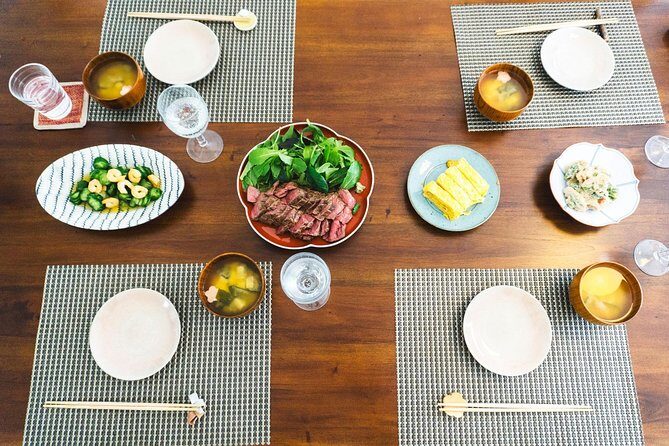
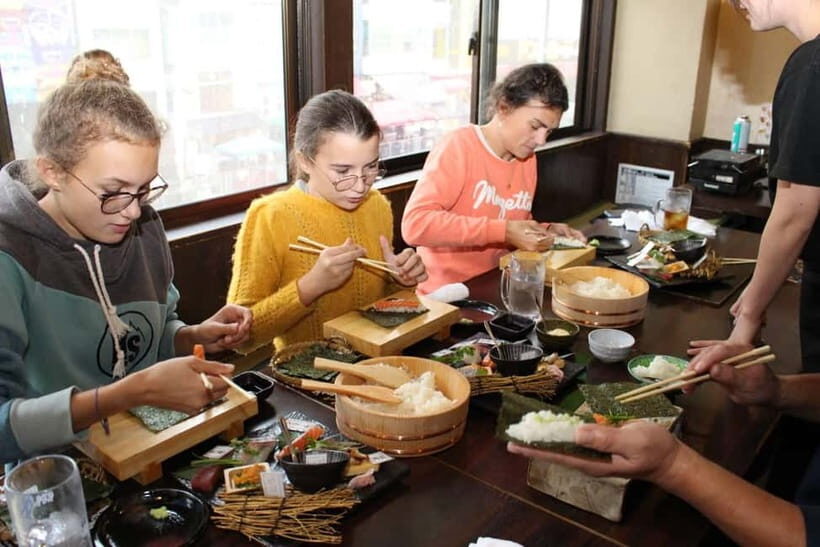
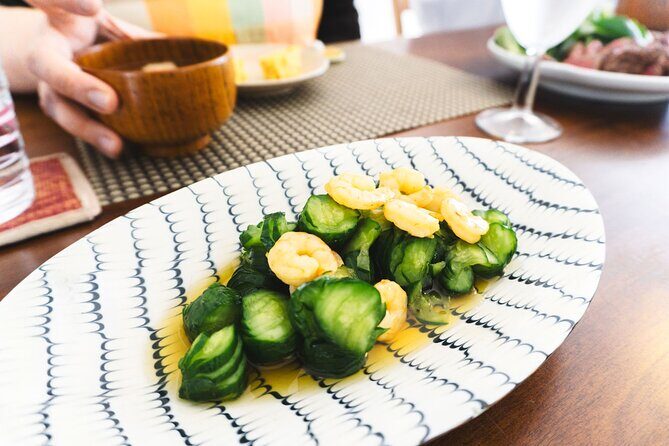
Your final meal is the payoff. The menu can vary depending on the season, but the experience is designed around classic Japanese comfort foods and recognizable staples. Depending on what’s in season and what Yoko is preparing, your meal may include dishes like sushi, pancake-style items, or Japanese fried chicken.
Even with the menu changing, the big idea stays the same: you’re eating what you learned. You’re not leaving the kitchen to eat something unrelated at a restaurant. You’ll sit down together after cooking and enjoy the homecooked spread.
A standout finish is included: green tea ice cream. It’s a tidy, classic closure that also makes the whole evening feel like a full Japanese meal rather than a lesson that ends abruptly.
One small consideration: since the menu varies, you might not get every exact dish you hoped for. The upside is that season changes often mean fresher ingredients and a slightly different flavor story each time.
You can also read our reviews of more cooking classes in Osaka


Ingredient Focus: Seaweed and Dried Fish Actually Make Sense
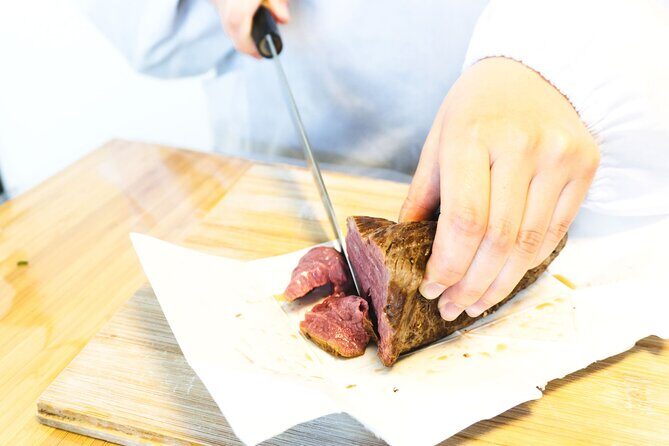
Many cooking classes teach recipes. This one also helps you understand ingredient behavior—especially flavors that aren’t obvious if you only know Japanese food from takeout.
You’ll be shown seaweed and dried fish as key items used across the dishes. In Japanese cooking, these ingredients often provide depth and umami that can feel mysterious until you see how they’re used. Having the explanation in the context of actively cooking makes it stick.
That’s where this class becomes more valuable than a one-time meal. If you cook at home later, you’ll know what these ingredients are doing and when to use them. You’re not just copying steps; you’re learning logic.
And because Yoko teaches the techniques and tastes first, you’re more likely to remember what to look for while cooking—flavor balance, texture cues, and timing.
Sake Tasting and Dinner Flow: A Thoughtful Pace
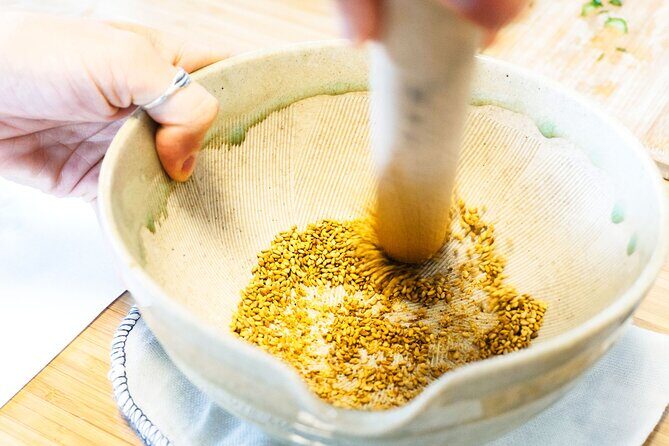
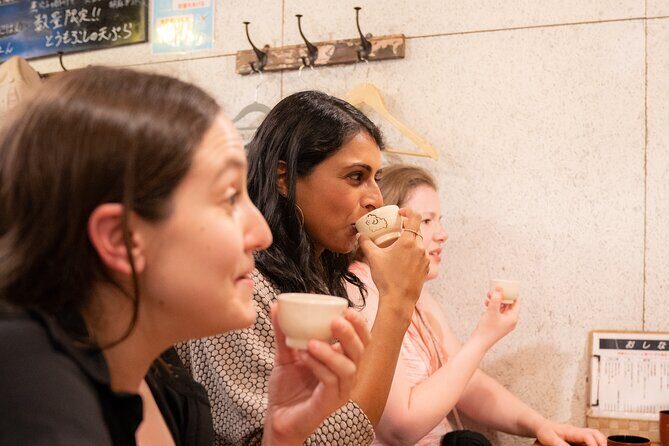
Included in the experience is sake tasting. It’s built into the evening, which means you’re not forced to find a place to buy anything or plan a separate activity. The pairing is part of the overall dining rhythm: cooking, tasting, then eating the meal you made.
The class timing is about 3 hours total. The cooking segment is about 1.5 hours, so you’re not trapped in a kitchen all night. You get enough time to learn without turning it into a marathon.
I like this pace because it keeps the mood relaxed. You can participate fully, ask questions, and still enjoy your meal without feeling wiped out.
Private and Personalized: The Real Value of a Home Visit
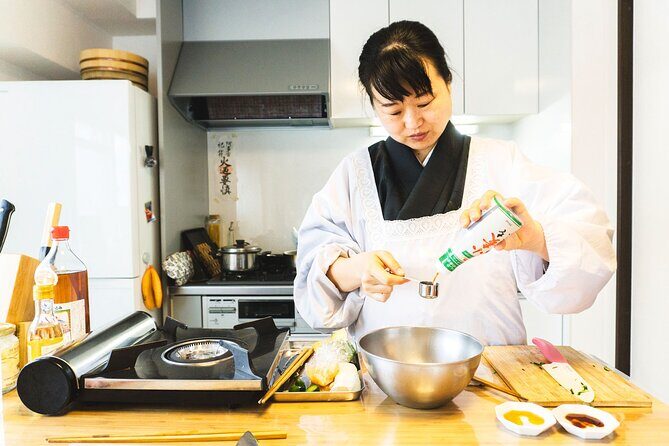
This is a private class, meaning only your group participates. That matters more than people think. Private instruction changes the experience. You can ask for clarification at the moment you need it, not after the fact. If you want to understand a technique, Yoko can explain it in a way that matches your cooking habits.
It’s also personalized in a practical way. You can advise dietary requirements in advance. Vegetarian and vegan options are available, but you need to request them at booking.
That’s not just helpful for comfort—it’s also a fairness issue. A good class should adapt, not just swap one ingredient and call it done. Having options built into the planning means you can still learn and eat something that makes sense for you.
Price and Value: What $182 Really Buys You
At $182 per person, this isn’t a budget cooking class. But it also isn’t a mass-market workshop. You’re paying for the combination of private home access, a culinary-expert host, hands-on instruction, and a meal with multiple components.
Here’s what drives the value:
- Private home setting near Osaka Castle, with a local neighborhood start.
- Hands-on cooking for three dishes from scratch, not just watching.
- Sake tasting and a full meal finish, including green tea ice cream.
- Recipe take-home support, so you can repeat what you learned later.
- Seasonal flexibility while keeping the experience anchored in classic dishes.
If you compare it to eating a nice dinner plus paying for a cooking activity, this is often closer to paying for instruction and access than it is to paying for food alone. And the best part is that you leave with skills, not just a full stomach.
If you’re traveling with someone you’ll actually cook with, private classes can also feel more reasonable because you’re sharing the experience privately, not splitting attention with a larger group.
Who Should Book This Cooking Class (and Who Might Skip)
This is a great fit if you want your Osaka time to feel grounded and practical. You like learning techniques you can use later, not just collecting photos. You also enjoy meeting local hosts and chatting—this class feels welcoming and personal, with lots of room to ask questions.
It’s especially good for:
- Food lovers who want a real home-cooked dinner
- Beginners who want instruction from someone trained in Japanese cooking techniques
- Anyone who wants a different night from big-ticket sightseeing
- Vegetarians or vegans who want a cooking class that can adapt (as long as you request it)
You might skip if:
- You’re not comfortable with a home kitchen pace (cutting, cooking, and moving around)
- You need a fixed menu with zero variation by season
Also, bring a simple mindset: come hungry, ask questions, and focus on learning the why behind the taste.
Quick Tips to Get the Most Out of Your Evening
A few practical things will make your night smoother:
- Wear comfortable clothing for cooking work, since you’ll be participating while ingredients are handled and dishes are cooked.
- Plan to arrive a little early at Minami-Morimachi Station, so you can start relaxed.
- If you have dietary needs, send them when booking. The class offers vegetarian and vegan options, but it needs your details in advance.
- If you care about specific dishes, ask Yoko during the intro. The menu may vary by season, but a good host can often explain what’s happening and why.
These small choices help you get more out of the experience, especially when the class is happening in a real home rather than a scripted tourist setting.
Should You Book Yoko’s Osaka Cooking Class?
I’d book this if you want a genuine Osaka evening with real technique, a local home setting, and a meal you helped make. The private format and the teaching structure are a strong combo: you get demos, then hands-on work on three dishes, then you sit down to enjoy what you cooked.
If you want a more predictable menu with a strict itinerary, you may find the seasonal menu a little frustrating. But if you’re flexible and hungry for learning, that variation is part of the charm.
Bottom line: for an Osaka trip that balances sightseeing with real-life culture, this private home class is one of the most practical ways to spend a few hours—and one of the easiest meals to recreate later because you’ll leave with recipes and tips.
FAQ
Where is the meeting point, and is there pickup?
You meet Yoko at Minami-Morimachi Station. Pick up from Minami-Morimachi station is included, and hotel pickup and drop-off are not included.
How long does the class last?
The experience is about 3 hours total (approx.).
Is the cooking class hands-on or mostly demonstrations?
It’s both. Yoko will do live cooking demos and explain techniques, and you’ll also participate by cutting and cooking. In the cooking portion, you make 3 dishes from scratch.
What will I eat during the meal?
You’ll enjoy a homecooked Japanese meal after the lesson, which may include dishes such as sushi, pancake, or Japanese fried chicken. Green tea ice cream is included, and sake tasting is also part of the experience.
Can you accommodate vegetarian or vegan diets?
Yes. Vegetarian and vegan options are available. You should advise your dietary requirements at the time of booking in the Special Requirements box.
Do I get anything I can use later at home?
Yes. You’ll receive recipes and cooking tips so you can prepare the dishes again after your trip.
What happens if I need to cancel?
Free cancellation is available up to 24 hours in advance for a full refund. If you cancel less than 24 hours before the start time, the amount paid will not be refunded.