REVIEW · OSAKA
Authentic SUSHI Course Cooking Class
Book on Viator →Operated by Sakura Cook · Bookable on Viator
Sushi gets easier with real coaching. I love how you start by making your own sushi rice at the station, and I love the small-group pace that keeps the instructor close. A small drawback to consider: if you want very detailed written instructions at the end, you may find the takeaway a bit light.
This is a proper, full-course style class, not just a roll-making demo. You’ll also learn miso soup and yakitori alongside multiple sushi types, so you leave with skills you can reuse later. The other thing to keep in mind: the experience runs about 2.5 hours, so plan to eat dinner first or be ready for a filling meal.
Timing and place are straightforward. The class meets at Banix北堀江 (Kitahorie, Nishi Ward) and the listed start time is 5:30 pm for the dinner session, with lunch also offered depending on your schedule. You’ll get a mobile ticket, and it’s near public transport.
In This Review
- Key things I’d circle before you book
- Small-group sushi in Osaka: what you gain from the cap
- Step 1 at the counter: sushi rice with your own wooden tub
- Tamago, dashi, and miso soup: building flavor before seafood
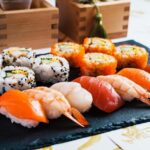
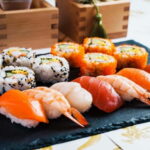
- Your sushi lineup: 9 nigiri, gunkan-maki, and one rolled piece
- Yakitori skewers and the seasonal dessert finish
- Price and value of this Osaka sushi course
- Where to meet and how the 2.5-hour flow works
- Should you book this class in Osaka?
- FAQ
- How long is the sushi cooking class in Osaka?
- Where is the meeting point?
- What time does the dinner class start?
- Is there a lunch option or just dinner?
- How many people are in the group?
- What dishes will I make?
- Are ingredients included?
- Will I eat what I cook?
- Can kids join?
- What if I need to cancel?
Key things I’d circle before you book
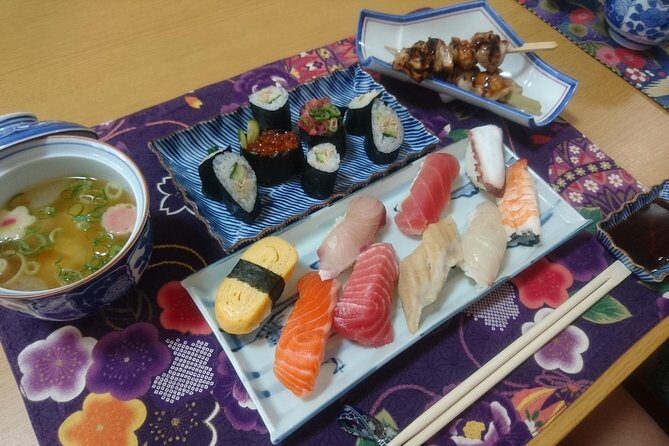
- Make sushi rice from scratch with your own wooden tub and paddle
- Tamago-style rolled egg using a rectangle pan, so you can shape it cleanly
- Dashi then miso soup with tofu and fancy shaped vegetables
- A full sushi count: 9 nigiri, 2 gunkan-maki, and 1 rolled sushi
- Yakitori too, since you’ll skewer and cook chicken at the table
- Seasonal dessert comes with the meal you just made
Small-group sushi in Osaka: what you gain from the cap
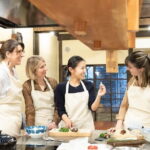
This class is built around a small group, which matters more than it sounds. When the limit is low (it’s listed as up to 14, with some bookings capped at 8), you get more hands-on time and quicker feedback. That’s huge for sushi rice, where tiny details like moisture and seasoning can change everything.
You also get a more personal cooking rhythm. The instructor doesn’t just talk while you watch; you actively mix, shape, and cook with guidance. Instructors like Fumi and Sakura show up in participant experiences, and the common theme is patience plus step-by-step support.
One practical bonus: a smaller class is easier to manage if you’re cooking with others who learn at different speeds. If you’re traveling solo, that usually feels less awkward too, because the format is built for participation, not “sit and observe.”
You can also read our reviews of more cooking classes in Osaka
Step 1 at the counter: sushi rice with your own wooden tub
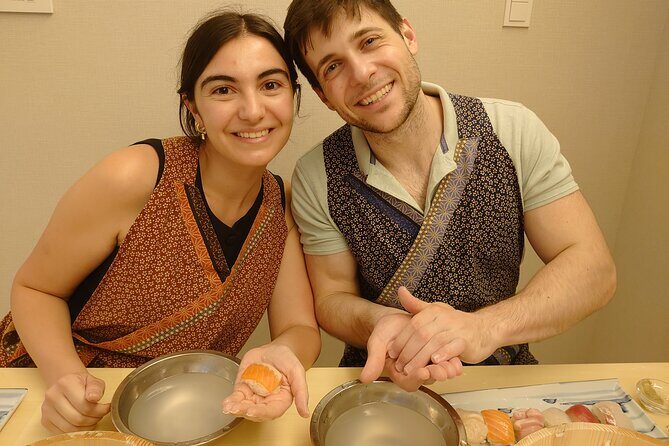
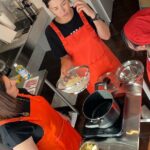
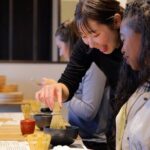
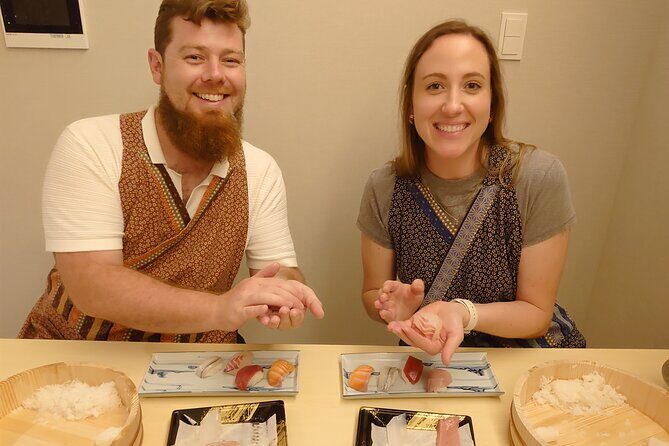
The class starts where sushi actually starts: rice. Everyone puts on an apron and you begin making sushi rice right away. What I like here is the setup: each participant gets a wooden tub and paddle so you can make your rice separately, not just help with someone else’s bowl.
This matters because sushi rice is part technique, part feel. You learn how to handle and season it properly, including the hands-on part of working with seasoned rice. You also learn what to aim for before you ever touch the fish or roll mats.
From there, the class builds in layers. First you master the rice, then you shape sushi with different styles. That’s the safest way to learn, because if your base is right, the rest becomes much easier.
If you’re worried about not speaking Japanese, don’t. The class is structured as a guided cooking session, and participants consistently mention clear explanations and encouragement during the steps.
Tamago, dashi, and miso soup: building flavor before seafood
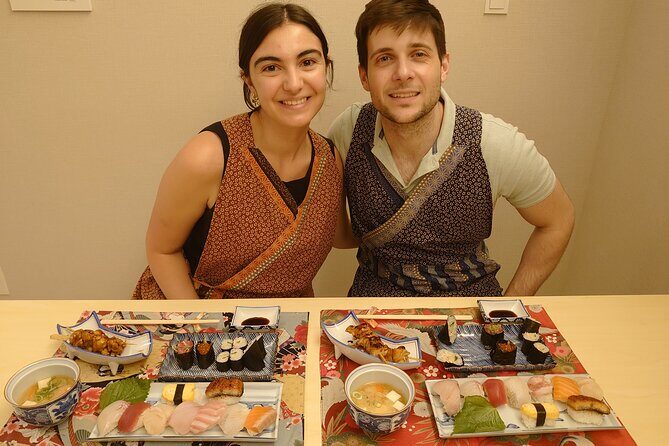
Before you jump into sushi, you’ll cook hot dishes that explain how Japanese meals balance flavors.
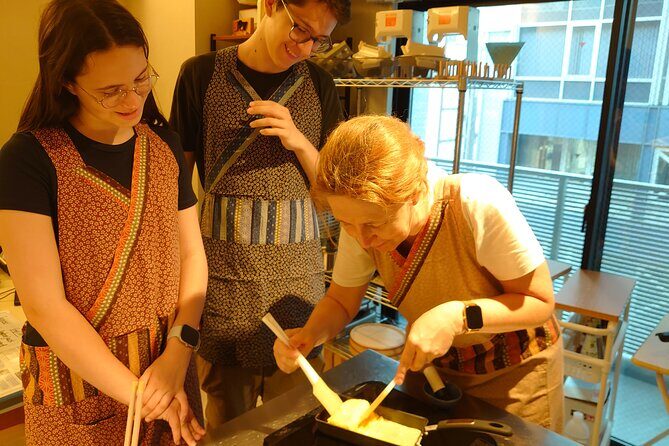
You begin with rolled eggs for egg sushi, made with a rectangular frying pan. This is basically the tamagoyaki approach: layer, roll, and shape in a way that’s easier to control than a wider skillet. Once you see the method in front of you, you’ll understand why people love it. Even if you don’t cook eggs often, you’ll leave with a repeatable way to get clean slices.
Next comes dashi, the broth that powers a lot of Japanese comfort food. After that, you make miso soup with tofu and vegetables cut into more elegant shapes. The class structure is helpful: you’re not just combining ingredients at the end—you learn the order that brings out the flavor.
Why this is good value: many sushi classes stop at sushi. Here, miso soup gives you a second skill set, plus it shows how Japanese cooking thinks in broth, texture, and balance.
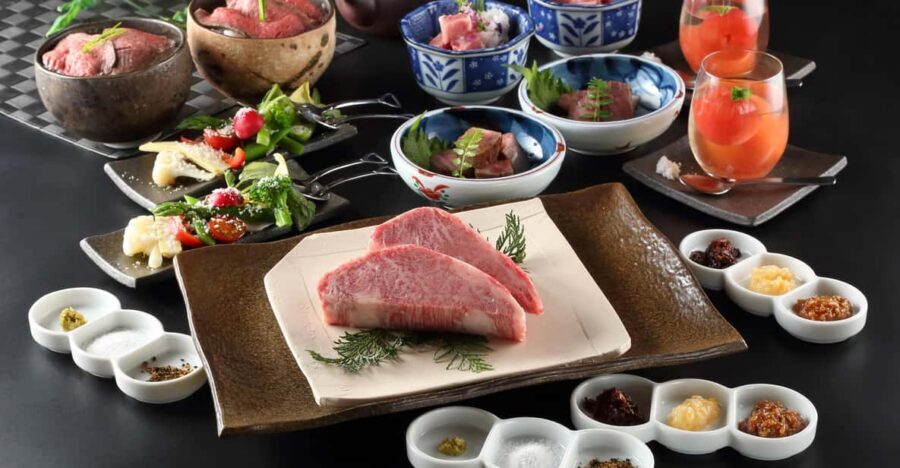
Your sushi lineup: 9 nigiri, gunkan-maki, and one rolled piece
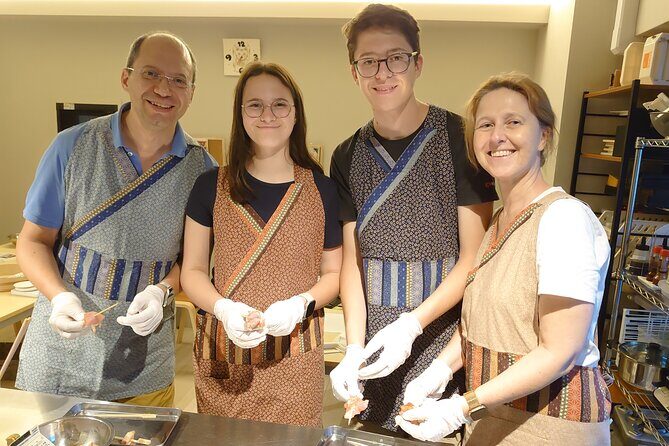
This is the part most people book for, and it’s also where the class earns its keep: you make multiple sushi styles yourself.
You’ll produce three kinds of sushi, with a specific output:
- 9 nigiri-sushi
- 2 gunkan-maki
- 1 rolled-sushi
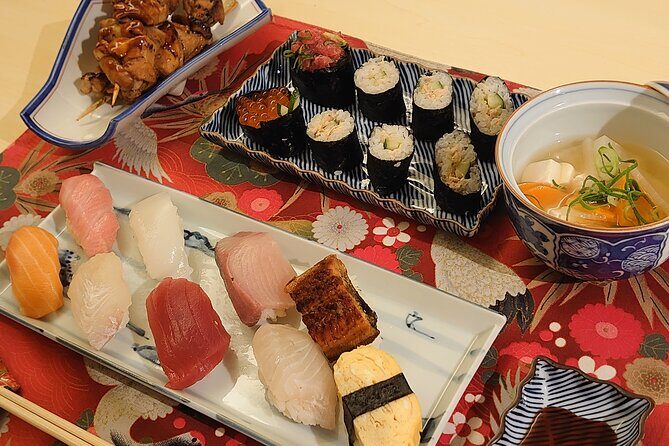
That spread is smart. Nigiri teaches you how to pair rice shape with topping placement. Gunkan-maki teaches you how to manage the rice and keep toppings from sliding. The rolled sushi piece ties it together with a different kind of technique: forming and finishing a roll so it holds its structure.
The instruction approach helps you avoid common beginner traps. If you’ve ever tried sushi at home and wondered why it doesn’t look like the photos, it’s usually because the rice handling isn’t consistent or the topping placement isn’t trained yet. This class gives you reps.
Also, the ingredients are included in the activity. So you’re not standing there pricing fish, nori, and miso on the fly. You get the materials and the method in one go.
Yakitori skewers and the seasonal dessert finish
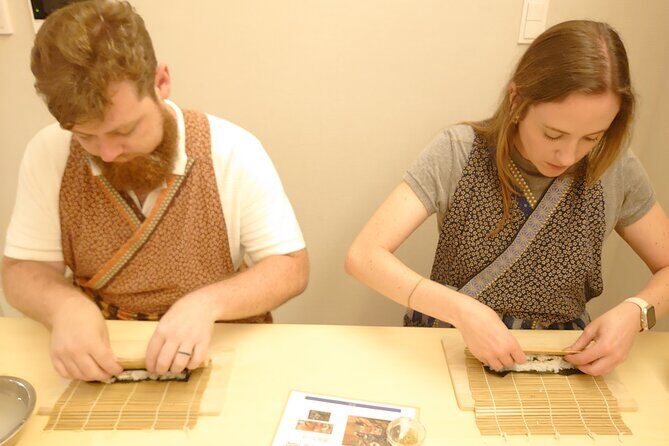
A sushi class in Osaka that also includes yakitori is a welcome combo. You don’t just cook seafood-adjacent food; you also skewer chicken and make yakitori. That adds a second flavor world—smoky grilled seasoning, bite-size portions, and a totally different cooking motion than shaping sushi.
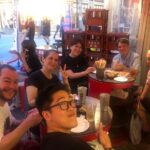
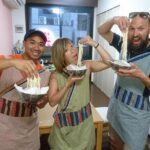
Yakitori also makes the class meal feel like a real Japanese dinner, not a snack. After you finish cooking, you place your dishes out with chopsticks and eat together. You’ll say Itadakimasu, then enjoy what you made.
To close it out, you get a complimentary seasonal dessert. It’s a small detail, but it turns the end of the class into a complete experience instead of a kitchen session that ends the moment you stop cooking.
From a planning standpoint, this matters because the meal portion is filling. If your Osaka days are packed with walking, this is a great way to recharge with food you helped create.
You can also read our reviews of more tours and experiences in Osaka

Price and value of this Osaka sushi course
At $99.08 per person, this class sits in the mid-range for hands-on cooking experiences in Japan. The question is whether you get enough for that price, and the answer is: you get a lot of “seat time” in the kitchen.
You’re paying for several things that add value:
- a professional instructor guiding multiple dishes
- ingredients included for sushi, soup, and chicken
- structured output that covers multiple sushi types
- a full meal plus dessert at the end
The time commitment is about 2 hours 30 minutes, which is also a practical length. It’s long enough to learn real steps and finish a full plate, but not so long that it hijacks your entire evening.
There is one consideration tied to value: you’ll likely get recipes or takeaway guidance, but some participants note the written instructions can be a bit light. If you’re the type who wants extremely detailed notes to cook later, treat the class as the main learning source and plan to take a few quick photos or notes during the session.
Where to meet and how the 2.5-hour flow works
You’ll start at Banix北堀江 Japan, 550-0014 in Nishi Ward, Kitahorie, at 3-chōme62 システマギャラリー. The listed dinner start time is 5:30 pm, and the activity ends back at the meeting point.
Lunch or dinner is offered, so your exact time may vary depending on the session you choose. What stays consistent is the flow: rice first, then egg sushi elements, then dashi and miso soup, then the sushi lineup and yakitori, then the shared meal.
Because it’s near public transportation, you can plan your arrival without stress. Still, I’d build in a little buffer. Japan cooking classes start on time, and you don’t want to rush the early rice step.
If you’re traveling with kids, note that children must be accompanied by an adult. Also, if you have dietary requirements, advise the team at booking so they can plan around you.
Should you book this class in Osaka?
Book it if you want a hands-on sushi experience that includes more than sushi. You’re learning rice, miso soup, and yakitori along with a full sushi plate (nigiri, gunkan-maki, and a roll). That combination makes the class feel like a real Osaka meal you can recreate later.
Skip it or reconsider if you’re specifically chasing the most detailed written recipes. The teaching seems strong and step-by-step, but a few people have said the takeaway can be minimal.
If your schedule fits the dinner time or a lunch session and you like practical cooking instruction, this is a solid pick for an evening that’s equal parts technique and good food.
FAQ
How long is the sushi cooking class in Osaka?
It runs about 2 hours 30 minutes.
Where is the meeting point?
The class starts at Banix北堀江, 550-0014 Osaka (Nishi Ward, Kitahorie), at 3-chōme62 システマギャラリー, and it ends back at the same meeting point.
What time does the dinner class start?
The listed start time for the session shown is 5:30 pm.
Is there a lunch option or just dinner?
You can choose a lunch- or dinnertime class to match your schedule.
How many people are in the group?
The experience is designed for a small group, listed as maximum 14, and it also notes a maximum of 8 travelers for the activity.
What dishes will I make?
You’ll make sushi rice first, rolled egg sushi (tamagoyaki-style), dashi and miso soup, 9 nigiri, 2 gunkan-maki, 1 rolled sushi, plus yakitori chicken.
Are ingredients included?
Yes. All ingredients are included, and you also get some sweets afterward.
Will I eat what I cook?
Yes. The class ends with you eating the dishes you made, along with chopsticks, and there is complimentary seasonal dessert.
Can kids join?
Children can join, but they must be accompanied by an adult.
What if I need to cancel?
Free cancellation is available up to 24 hours before the experience’s start time for a full refund. If you cancel less than 24 hours before, the amount paid is not refunded.