REVIEW · OSAKA
Osaka: Gluten-Free Ramen and Gyoza Cooking Class
Book on GetYourGuide →Operated by yuki Japanese cooking class · Bookable on GetYourGuide
Gluten-free comfort food, made the Japanese way. In Osaka, this small-group class at Yuki’s home teaches you to create gluten-free ramen noodles and gyoza from scratch, step by step. I love that it’s genuinely hands-on, not just a tasting, and I also like how clearly Yuki teaches regardless of your cooking level.
The main thing to consider is logistics: transportation isn’t included, and you’ll cook in a home kitchen, so bring comfy clothes and expect to get a little flour on you.
In This Review
- Key points at a glance
- A 3-Hour Osaka Home Class Built Around Gluten-Free Ramen and Crispy Gyoza
- Finding Yuki’s Place in 5 Minutes from Nukata Station
- Rice-Flour Ramen Noodles: The Skill You’ll Actually Use Again
- Soy Sauce Ramen First, Then Tomato Ramen with a Modern Twist
- Gyoza Wrappers from Rice Flour: Making the Dumpling Base
- Folding Gyoza Like You Mean It, Then Pan-Frying for Crisp Results
- Optional Sake Pairing and the Dinner Moment After You Cook
- What $103 Gets You: A Hands-On Chef-Led Meal, Not Just a Class
- Who Should Take This Osaka Class (and Who Should Skip It)
- Should You Book This Osaka Gluten-Free Ramen and Gyoza Class?
- FAQ
- How long is the Osaka gluten-free ramen and gyoza cooking class?
- Where is the meeting point?
- Is the class designed for gluten-free cooking?
- What dishes will I learn to make?
- Do I need prior cooking experience?
- Is sake included?
- What is the group size and what language is used?
- Is transportation to the venue included, and is there free cancellation?
Key points at a glance
- Small group of up to 4 for more personal attention during noodle making and gyoza folding
- Gluten-free ramen noodles and gyoza wrappers using rice flour, so you’re learning the whole process
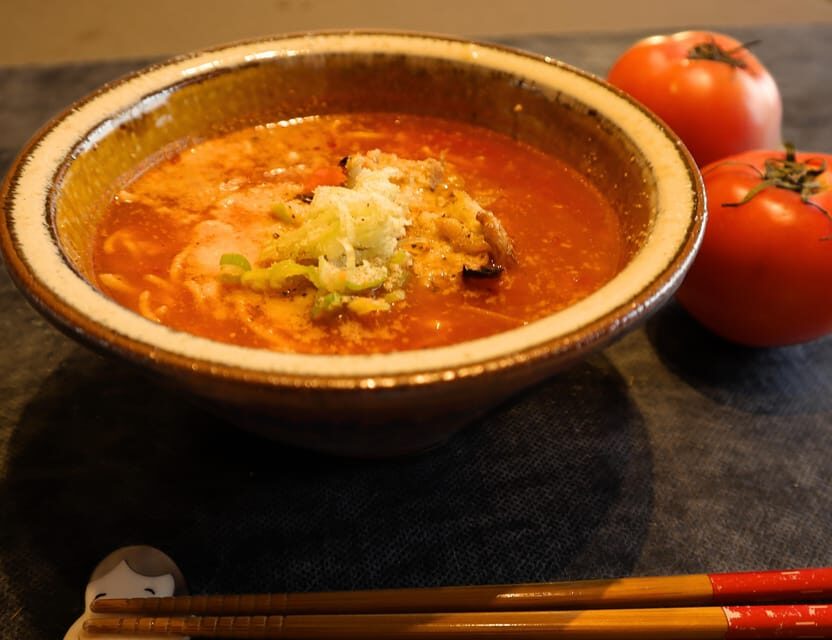
- Two ramen styles: classic soy sauce ramen plus a tomato ramen twist
- Crispy gyoza technique: filling, folding, then pan-frying for that golden outside
- Optional sake pairing with three 45ml servings chosen to match what you cook
A 3-Hour Osaka Home Class Built Around Gluten-Free Ramen and Crispy Gyoza
This isn’t a quick demo where you stand back and watch. You get real kitchen time, with a clear sequence that takes you from dough to dumpling to the finished bowl.
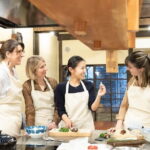
The class runs 3 hours and is limited to just 4 participants, which matters because gluten-free dough can behave differently than wheat dough. In a bigger setting, you’d be waiting around. Here, you can slow down, ask questions, and actually practice the motions that make ramen noodles chewy and gyoza crisp.
The other big draw is that you’re not only cooking one dish. You’ll make gluten-free ramen noodles, build a broth, shape gyoza wrappers, fill dumplings, fold them, and pan-fry them. By the end, you’ve worked through several core Japanese skills you can reuse at home.
One more plus: Yuki teaches in English (and the wider experience is designed for international guests), and she’s the sole instructor. That usually means the pacing stays smooth and the attention stays personal.
You can also read our reviews of more cooking classes in Osaka
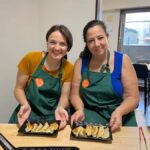
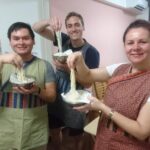
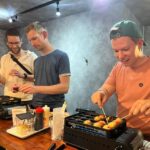
Finding Yuki’s Place in 5 Minutes from Nukata Station
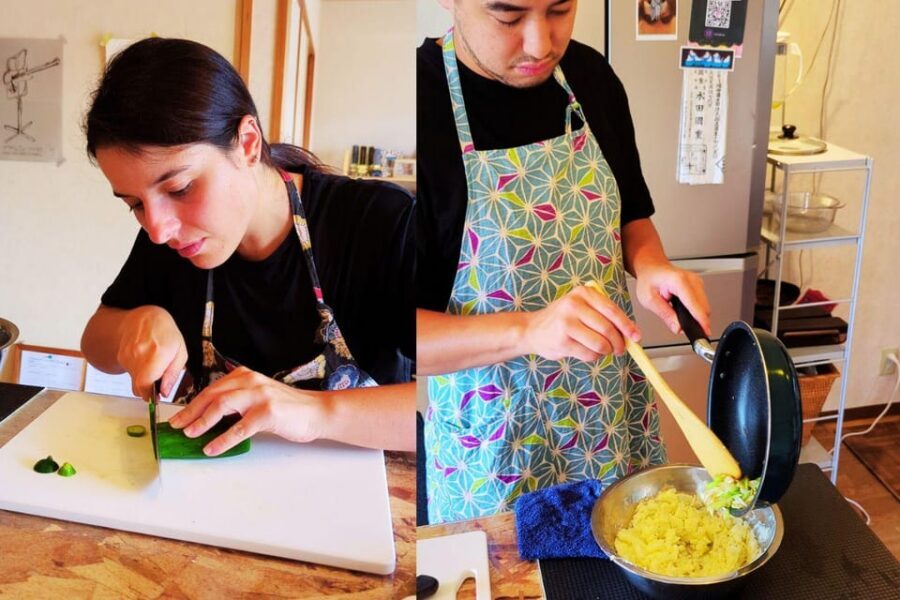
You meet at 4-19 Nukata-cho, Osaka, about a 5-minute walk from Nukata Station. It’s in a quiet residential area, and the venue is marked with a welcoming sign at the entrance.
Because transportation isn’t included, I recommend planning to arrive a bit early so you can get your bearings fast. This is the kind of class that starts on time, and once you’re in the kitchen, there’s no waiting while everyone finds the building.
The good news is that the directions are said to be provided after booking, so you’re not left guessing. Still, if you’re the type who likes to over-prepare (I am), give yourself a little buffer for a first-time station-to-home walk.
Rice-Flour Ramen Noodles: The Skill You’ll Actually Use Again
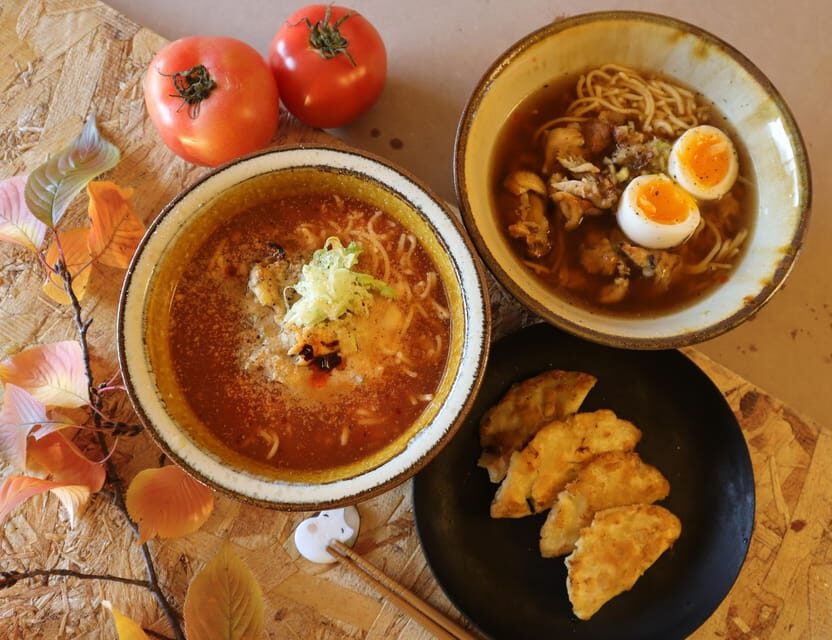
The class begins with a warm welcome and an ingredient-and-tools intro. Then you get hands-on with the part that usually scares people most: making gluten-free ramen noodles from rice flour.
Expect step-by-step guidance on how to shape and handle dough so it keeps a pleasant bite. The key goal is that chewy texture people want in ramen. Gluten-free noodles don’t behave like wheat, so you’ll learn practical handling techniques rather than just mixing ingredients and hoping for the best.
This is where the small group format pays off. If you’re unsure about texture, thickness, or how the dough should feel, you can get quick feedback. And because Yuki has professional cooking experience and has taught international guests, the explanations are built for beginners and more experienced cooks alike.
If you’ve never made noodles before, you’ll still be in good shape. The class is designed for no prior cooking experience. You just need a willingness to try, get messy, and adjust.
Soy Sauce Ramen First, Then Tomato Ramen with a Modern Twist
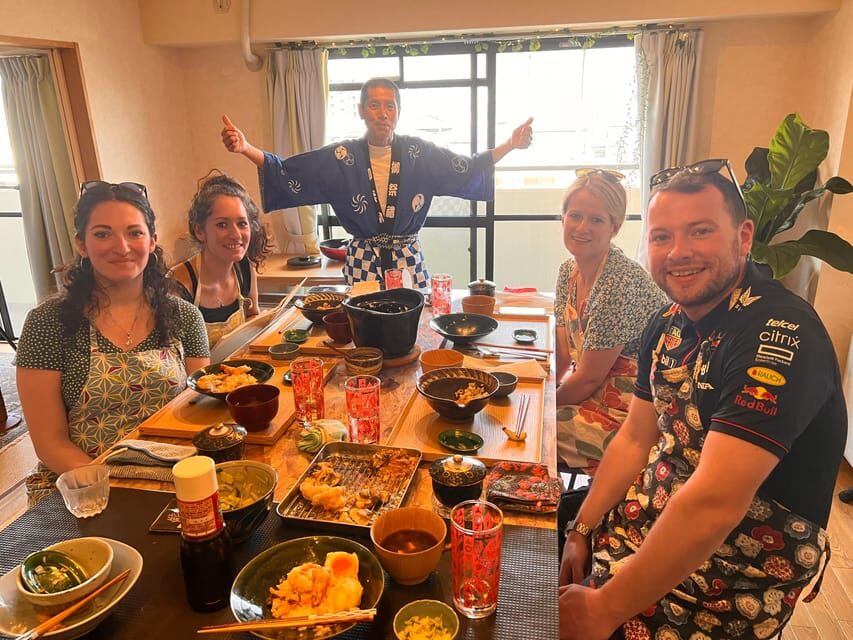
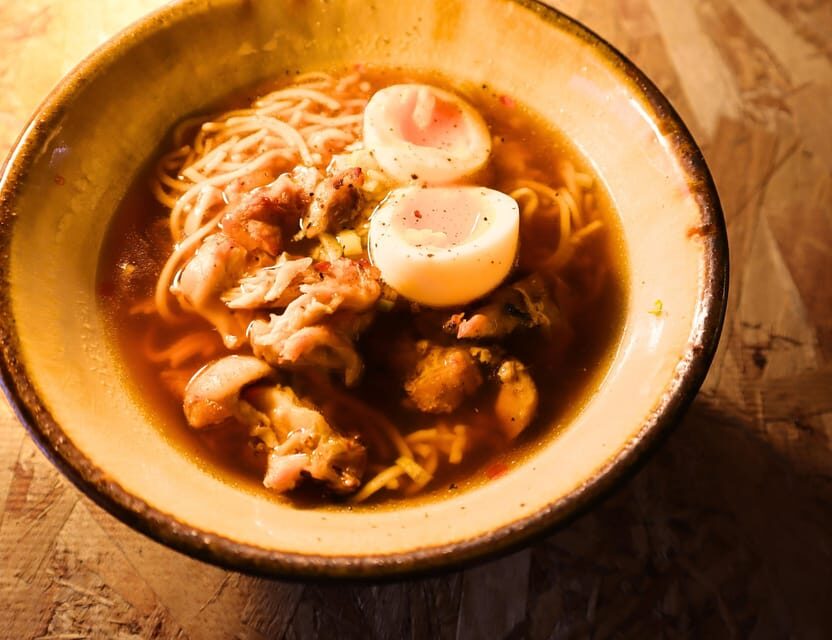
After the noodle-making stage, you move into ramen flavor building. You’ll prepare a rich soy sauce-based broth, paired with your handmade noodles. Soy sauce ramen is a classic for a reason: it’s savory, comforting, and focused. This part teaches the foundation of a Japanese-style ramen bowl: balance, seasoning, and how broth flavor supports the noodle texture.
Then you’ll make tomato ramen. This is described as a modern twist that’s still rare in Japan, and it works as a fun contrast to the soy-based bowl. Tomato adds tang and a different kind of richness, so it also teaches you how to think beyond one flavor profile.
If you’re the kind of eater who loves experimenting with familiar foods, you’ll appreciate that the class doesn’t only stick to one style. It helps you understand how Japanese cooking evolves, even when the core technique stays disciplined.
Gyoza Wrappers from Rice Flour: Making the Dumpling Base
Next comes gyoza, and yes, you’ll make the wrappers too. You’ll craft gluten-free gyoza wrappers using rice flour, then move into filling and folding.
This matters for two reasons:
1) Pre-made gluten-free wrappers can vary a lot in quality and texture, so learning to make your own is the difference between a one-off meal and something you can repeat.
2) Dumpling wrappers are part of what controls the final bite. If the wrapper is too thick or too thin, it affects folding and crisping.
You’ll work through how to handle the dough and form wrappers so you can actually fill and fold confidently. Yuki’s instruction style is repeatedly described as patient and clear, which is exactly what you want for a task that depends on muscle memory.
If you’ve always liked gyoza but felt intimidated by the folding, this section is designed to turn that intimidation into practical comfort.
You can also read our reviews of more tours and experiences in Osaka


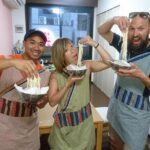
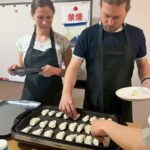
Folding Gyoza Like You Mean It, Then Pan-Frying for Crisp Results
Folding gyoza is where the class becomes fun. You’ll learn the motions needed to fold dumplings neatly and consistently, then you’ll fill and cook them.
The cooking method is pan-frying for that classic dual texture: a golden crispy outside with a tender interior. Pan-frying is a technique you can translate to home cooking later, especially if you want that restaurant-style crisping.
A helpful detail here is that you’re guided through both the process and the timing feel. With dumplings, if your heat is off, the wrappers can brown too fast or not crisp enough. The class pacing is set so you learn what “right” looks like as you cook, not after you’ve guessed.
This is also where you’ll appreciate the home setting. You’re working in a cozy kitchen environment rather than a loud studio, so the focus stays on technique, not performance.
Optional Sake Pairing and the Dinner Moment After You Cook
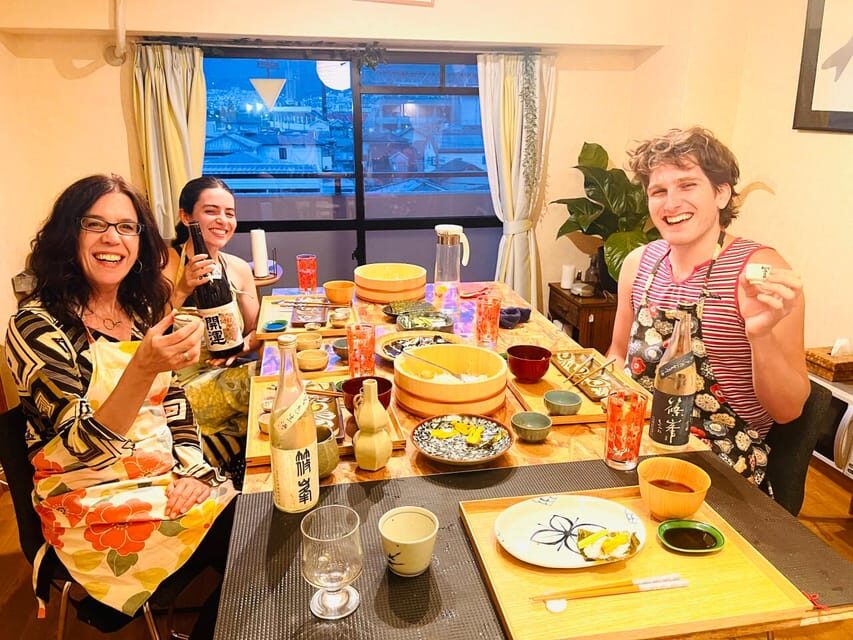
Once you finish cooking, you sit down for the meal of what you made. That’s the payoff: you’re not leaving hungry, and you’re eating something you built with your own hands.
If you choose the optional sake pairing, it includes three 45ml servings: two chilled sakes (Junmai and Junmai Ginjo) and one warm Junmai. The pairings are chosen to complement the flavors of your dishes, so it’s not just alcohol on the side. It’s meant to change the way the ramen and gyoza taste in your mouth.
Even if you skip the sake, you’ll still get a guided moment where Yuki explains flavors and how the different components work together. That kind of explanation is useful because it turns your meal into a learning experience, not just a good meal.
What $103 Gets You: A Hands-On Chef-Led Meal, Not Just a Class
At $103 per person for a 3-hour session, the value comes from what’s included, not just the word “cooking class.”
Here’s what you’re paying for:
- Full meal made from your creations
- Hands-on instruction from a single chef/instructor
- Recipes and tips you can use later
- A small group size that supports real practice
The class structure is efficient: you get multiple dishes in one session without it feeling rushed. You also leave with a clearer understanding of gluten-free substitution techniques for Japanese food, especially the rice-flour noodle and wrapper method.
If you’re only curious about tasting ramen, you can find plenty of places to eat for less. But if you want skills you can recreate at home, the price becomes easier to justify. You’re basically buying time with a professional teacher, plus ingredients and the meal that results.
Who Should Take This Osaka Class (and Who Should Skip It)
This class is a great match if you:
- Need gluten-free Japanese cooking options, not just a generic “adaptation”
- Want hands-on practice with ramen and gyoza instead of watching from the sidelines
- Like small, home-based experiences where you can ask questions and learn at your pace
It may be less ideal if:
- You don’t want to cook at all and prefer eating only
- You hate any form of kitchen mess, since you’ll be working with dough and wrappers
- You have mobility limitations that make home-kitchen tasks difficult (the listing notes it’s not suitable for people over 95 years)
Should You Book This Osaka Gluten-Free Ramen and Gyoza Class?
I’d book it if you want a real skill-building meal in a small group and you care about gluten-free authenticity in the method, not just the ingredient label. The mix of soy sauce ramen, tomato ramen, gluten-free wrappers, and pan-fried gyoza gives you multiple techniques in one visit, and Yuki’s teaching approach is clearly a strong point.
Skip it if you’re mainly after something you can eat quickly without cooking. This is a hands-on class, and that’s the whole point.
If you’re traveling with gluten-free needs, it’s also worth booking early so you can pick a time that fits your Osaka day. Arrive hungry, wear comfy clothes, and plan to take notes on the small techniques that make the biggest difference.
FAQ
How long is the Osaka gluten-free ramen and gyoza cooking class?
The class lasts 3 hours.
Where is the meeting point?
You meet at 4-19 Nukata-cho, Osaka, about a 5-minute walk from Nukata Station.
Is the class designed for gluten-free cooking?
Yes. The class focuses on making gluten-free ramen noodles and gluten-free gyoza wrappers, along with gluten-free versions of the ramen and dumplings you cook and eat.
What dishes will I learn to make?
You’ll make gluten-free ramen noodles, prepare soy sauce ramen and tomato ramen, create gluten-free gyoza wrappers, make the gyoza filling, fold dumplings, and pan-fry them.
Do I need prior cooking experience?
No. The class is designed for no prior cooking experience.
Is sake included?
Sake is optional. If you add it, you’ll receive three 45ml servings: two chilled (Junmai and Junmai Ginjo) and one warm Junmai.
What is the group size and what language is used?
It’s a small group limited to 4 participants, and the instruction is in English.
Is transportation to the venue included, and is there free cancellation?
Transportation to the venue is not included. Free cancellation is available up to 24 hours in advance for a full refund.