REVIEW · OSAKA
Ramen and Gyoza Cooking Class in Osaka Dotonbori
Book on Viator →Operated by Cooking Sun · Bookable on Viator
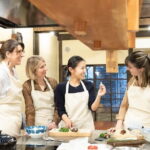
Ramen from scratch beats any souvenir. In Dotonbori’s home-style kitchen, you’ll learn from-scratch noodles and broth and also customize toppings and gyoza fillings, guided by English-speaking instructors in an intimate small class size. One heads-up: there’s no gluten-free option, so it’s not the right fit if you have gluten intolerance.
This class runs about 3 hours and starts at 1:30 pm. You’ll cook, then eat what you made, with the meal landing around the end of the session (some groups finish close to 3:30).
If you need vegetarian, pescatarian, or no-fish, you’ll want to send that note when booking. The payoff is not just the food in Osaka—it’s the printed recipes you can recreate at home.
In This Review
- Key Things You’ll Be Doing (and Why They Matter)
- Dotonbori’s Food Energy Meets a Real Cooking Classroom
- Price and Time: Does $71.35 Make Sense?
- Getting There at Cooking Sun: The 8th-Floor “Follow the Address” Moment
- What Happens During the 3-Hour Class (From Noodles to the Last Bite)
- Ramen Noodles and Broth: The Part You’ll Actually Remember
- Toppings and Customization: Make It Yours Instead of Copying a Menu
- Gyoza From Scratch: Filling, Folding, and Getting It Right
- Dietary Needs: What’s Offered and What’s Not
- The Teaching Style That Earns the 5-Star Ratings
- What You Get to Take Home (So This Isn’t a One-Day Skill)
- Who Should Book This Cooking Class in Osaka?
- Should You Book This Ramen and Gyoza Class?
Key Things You’ll Be Doing (and Why They Matter)

- Kneading ramen noodles by hand instead of relying on store-bought
- Making ramen broth from scratch, not just heating a packet
- Customizing ramen toppings and gyoza fillings to match your tastes
- Folding gyoza using provided wrappers while you build the filling fresh
- Learning from English-speaking instructors in a max-8 class for real attention
- Taking home recipe sheets so the class sticks after your trip
Dotonbori’s Food Energy Meets a Real Cooking Classroom
Osaka is serious about food, and Dotonbori is the place where that obsession spills onto the street. The clever thing about doing ramen here isn’t the theme—it’s the timing. You get to learn the basics in the same city where ramen culture is everyday life.
What you make in class is also very “Osaka-compatible.” Ramen and gyoza don’t just show up as an attraction. They’re a standard pairing at many shops, so you’re practicing a meal you could actually order while you’re sightseeing. By the time you sit down to eat, it feels like you’ve upgraded from restaurant experience to kitchen competence.
I also like that the class is described as homestyle cooking. That usually means practical instruction over fancy theory. You’re not chasing a food performance. You’re learning methods you can repeat at home.
You can also read our reviews of more cooking classes in Osaka

Price and Time: Does $71.35 Make Sense?
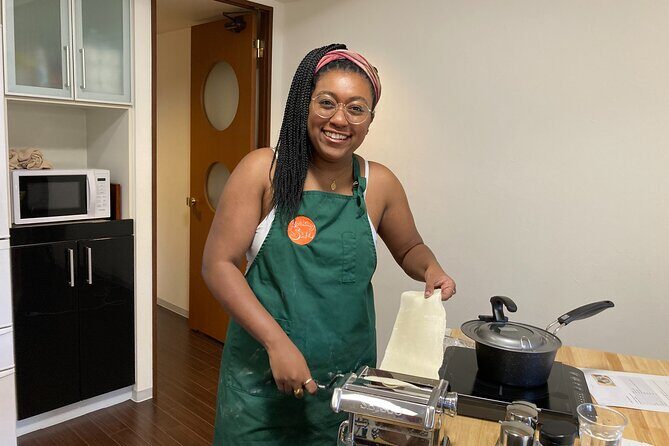
At $71.35 per person, this is not a bargain cooking class—but it also isn’t an overpriced “light snack” activity. The price covers hands-on cooking plus the big-ticket realities: ingredients, utensils, an English-speaking instructor, and the recipe handouts you keep.
For context, ramen and gyoza from scratch is a lot of work even when you’re at home. Noodles take kneading and timing. Broth takes patience. Gyoza takes chopping, mixing, portioning, and folding. If you ever tried to do that without guidance, you’d quickly spend time and money on trial-and-error.
The 3-hour duration matters too. You’re not rushing through a demo. You’re doing enough steps that the finished meal at the end actually feels earned.
Getting There at Cooking Sun: The 8th-Floor “Follow the Address” Moment
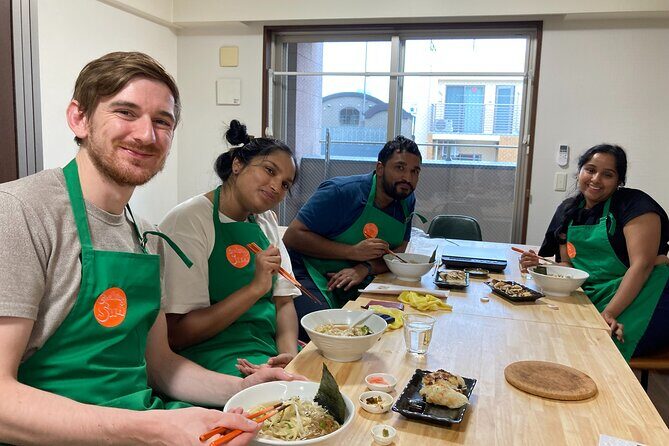
The meeting point is Cooking Sun, 542-0082 Osaka, Chuo Ward, Shimanouchi, 2-chōme 914 807号室. It’s in the Dotonbori area and is described as near public transportation.
Two practical tips that can save you stress:
- Use the actual address in your map app, not just the business name. Finding the exact building name can be confusing.
- Once you’re at the building, you may need to go up via an elevator to the 8th floor to get to the room.
This is one of those “easy once you’re there” setups. It’s in a residential-style apartment setting, so you should expect a normal building entrance, not a big restaurant facade.
What Happens During the 3-Hour Class (From Noodles to the Last Bite)
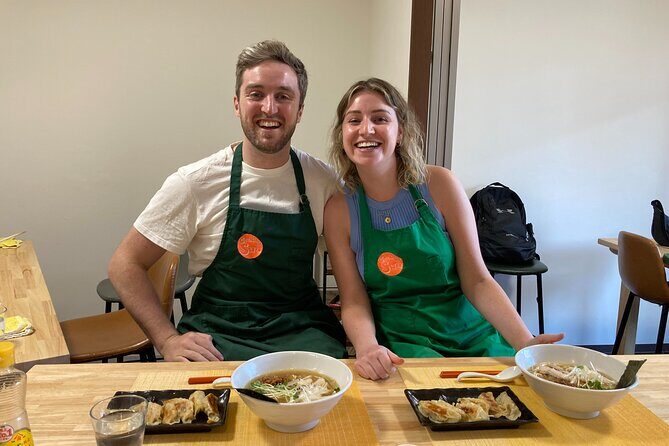
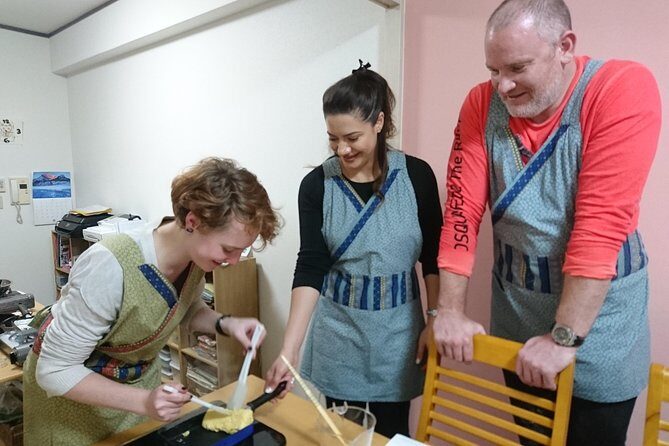
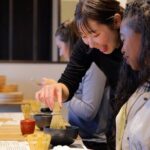
This experience is built around making two components from scratch: ramen and gyoza. The class is hands-on throughout, with step-by-step guidance and lots of patience—important if you’re cooking with kids or if you’re not confident in the kitchen.
Here’s the flow you can expect, without the fluff:
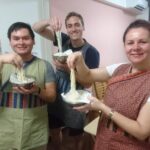
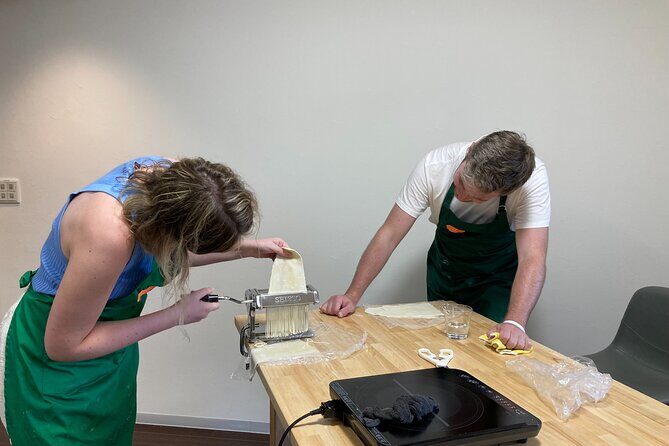
First, you focus on ramen. That means making the ramen noodles and also preparing the broth from scratch. Kneading noodles by hand is one of the most praised parts because it turns ramen from a menu item into a process you understand. You’ll also get instruction on how to work with the dough and what to aim for, so your noodles don’t end up as decorative pasta.
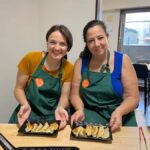
Then you shift to gyoza. You’ll create the gyoza filling, and you’ll fold dumplings using the provided wrappers (so you’re not also stuck making wrappers from scratch). A big plus: the class emphasizes customizing the filling based on your taste preferences.
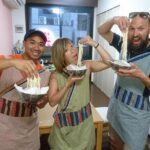
Finally, you cook and eat. Since the meal is part of the experience, you’re not stuck with the classic “you leave and then eat somewhere else” problem. You’ll finish with your own ramen and gyoza, and that first bite is the moment everything clicks.
Ramen Noodles and Broth: The Part You’ll Actually Remember
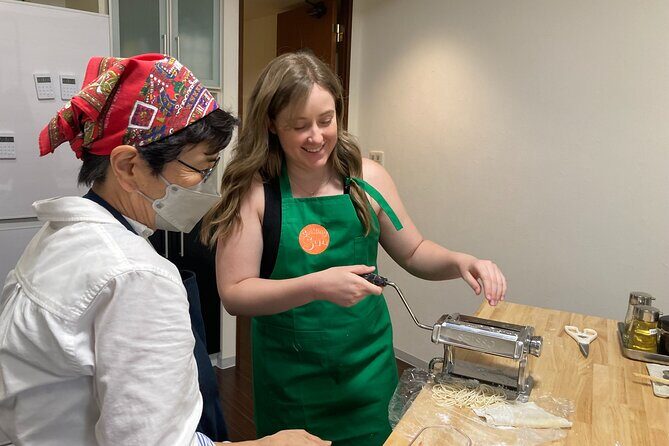
The most standout element here is the “from scratch” work. Making ramen noodles by hand is labor, but it’s also the fastest route to understanding what good texture means. When you do it, you’ll start to recognize why restaurant noodles feel springy, why they hold up, and why boiling and timing matter.
Broth is the other big skill. You’re not just seasoning water. You’re making ramen broth from scratch, and you’ll get guidance for how to bring flavor together.
One useful detail from instruction you’ll pick up: they explain ingredients and the logic behind them. Some reviews mention learning about differences between fish flakes (like bento), and how variations in soy sauce and miso change results. Even if you don’t memorize every label, you’ll leave with better instincts. That helps when you’re cooking at home with whatever ingredients are available.
A practical consideration: the broth base can involve fish and chicken. If you don’t eat fish, you should request the appropriate option during booking. Several people noted that fish-avoidance requests were handled well, but you still need to flag it in advance.
You can also read our reviews of more tours and experiences in Osaka

Toppings and Customization: Make It Yours Instead of Copying a Menu
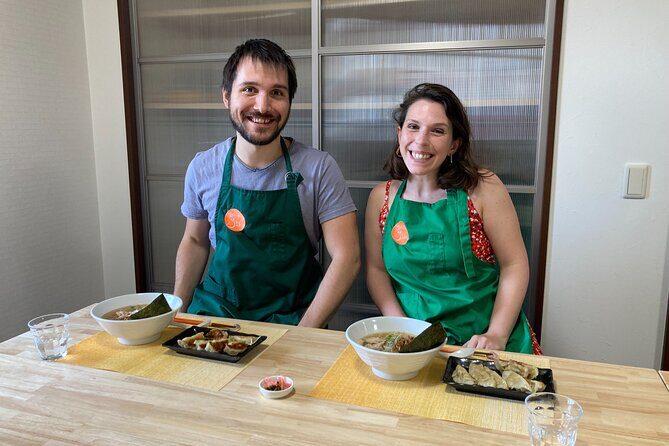
The class doesn’t treat toppings like an afterthought. It pushes you to think about customizing ramen toppings for your tastes and dietary needs.
That’s valuable because ramen is a flexible dish. You can adjust richness, saltiness, spice level, and texture. If you’ve ever wondered why two bowls of ramen can taste totally different even when the noodles are similar, this lesson gives you the “why.”
Same idea with gyoza. You’re not locked into one filling. You can shape it toward your preferences, and the instruction helps you understand what changes do to flavor.
This is also why the class is useful even if you love eating ramen but rarely cook. You’re not just following steps—you’re learning what levers you can pull at home.
Gyoza From Scratch: Filling, Folding, and Getting It Right
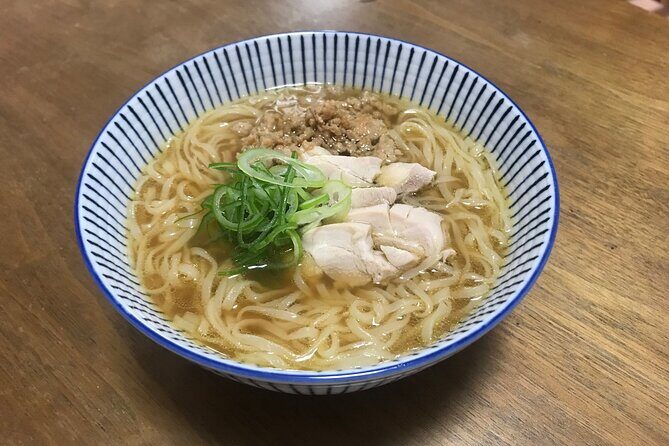
Gyoza is one of those foods that looks easy until you try it. The class handles that by focusing on the part that matters most: fresh filling and solid technique while folding.
You’ll chop and mix the filling ingredients and then fold dumplings using wrappers provided by the class. Reviews mention the gyozas turning out very similar to what you get in restaurants, which is the goal. The satisfaction comes from two places:
- You control the filling
- You see that correct folding and cooking make the dumpling pattern and texture work
If you’re cooking with kids or teens, this is also a good activity because it’s hands-on and visual. Everybody gets a chance to do something, and the instructors (and helpers) tend to stay patient when mistakes happen.
Dietary Needs: What’s Offered and What’s Not
Here’s where you should plan carefully.
Supported options: you can leave a note upon booking for vegetarian, pescatarian, or no-fish. That matters because the broth and seasoning choices may otherwise include fish components.
Not supported: gluten-free is not available. The class is also explicitly not recommended for travelers with gluten intolerance.
So if you’re gluten-sensitive in a way that requires strict avoidance, skip this one. If your main issue is fish, the class seems designed to accommodate that when you tell them ahead of time.
The Teaching Style That Earns the 5-Star Ratings
The best kind of cooking class doesn’t just tell you what to do. It explains why it works—and then helps you do it without stress.
The instructor approach here is repeatedly praised for:
- clear step-by-step guidance
- a calm pace (including patience with mistakes)
- English communication that keeps you confident through each step
Instructors named in reviews include Miki and Jun, plus other instructors (like Kassa and Marina). Different names, same theme: you’re not being rushed, and you get enough attention that your ramen and gyoza don’t feel like luck.
Another nice detail: some teaching includes food customs and rationale for specific steps. That’s helpful because it turns the class into learning, not just following instructions.
What You Get to Take Home (So This Isn’t a One-Day Skill)
You’ll receive recipes to take home. That sounds basic, but it’s one of the most practical parts of the experience.
After cooking ramen and gyoza once, you’ll have a clearer sense of:
- what ingredients matter most
- how process changes the result
- what substitutions work when you’re shopping at home
And because the class emphasizes customization, the recipe sheets aren’t just a “do this exactly” script. They act more like a menu of options you can adapt.
If you’ve ever cooked once from a recipe and then forgotten everything the next week, this setup increases the odds you’ll actually use what you learned.
Who Should Book This Cooking Class in Osaka?
This class is a strong match if you:
- want a hands-on Osaka food experience beyond eating out
- like cooking but want structure and expert help
- want to learn ramen properly (especially noodles and broth)
- are visiting with family—some reviews include teenagers who were genuinely into the process
- want recipes you can recreate later
It’s also worth it if you’re a foodie who enjoys the “logic” behind cooking—because instruction includes ingredient differences (like fish flakes, soy sauce types, and miso variations).
The main reason to not book is simple: no gluten-free option.
Should You Book This Ramen and Gyoza Class?
Yes, if you can eat gluten and you want a real skill-based cooking experience. The value is strongest because you’re getting both dishes made from scratch, plus English instruction, plus take-home recipes, all in an 8-person max setting.
If you’re strict about gluten intolerance, skip it. And if you avoid fish, book with the right note so your broth and flavors match your needs.
If you want an Osaka memory you can recreate—not just a photo—this class is exactly that.